Rising child drownings turn summer water safety into a public health priority
Child drowning deaths have climbed since the pandemic, and doctors say the lesson travels: prevention depends on layers of protection, not one glance.
Sophie Bennett
Writer ·
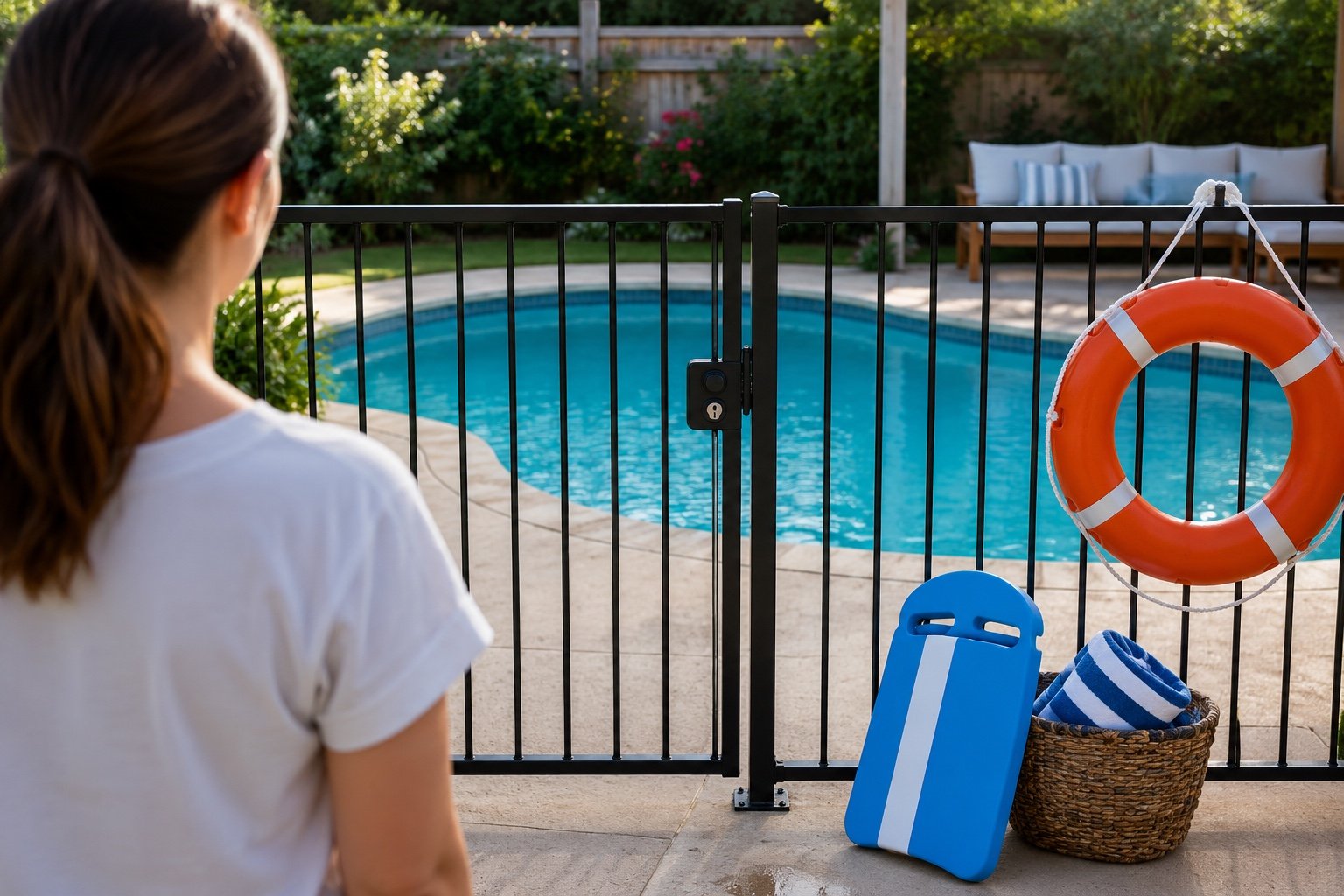
As heatwaves push families towards pools, lakes and beaches, doctors and safety campaigners are issuing a warning with hard numbers behind it: child drowning deaths have risen in recent years, reversing decades of steady progress. The core message is uncomfortable precisely because it is so simple — a child can drown in seconds, usually silently, and no single precaution is enough on its own.
What happened
Associated Press reporting shows US drowning deaths among children rose from 756 in 2019 to 865 in 2024, with many victims under five. Drowning remains the leading cause of death for American children aged one to four. Preliminary data hint at slight recent improvement, but rates remain above pre-pandemic levels. AP's coverage was anchored by Stew Leonard, whose 21-month-old son drowned in 1989 and whose family foundation has since funded more than 250,000 swimming lessons.
Why it matters
The pandemic quietly dismantled parts of the water-safety system. Swimming lessons stopped, lifeguard training pipelines dried up, and pools cut hours they have never fully restored. A child who missed early lessons in 2020 is now an older, bolder swimmer facing deeper water without the foundation. The trend also exposes inequity: drowning risk falls unevenly across racial and income groups, a pattern long linked to unequal access to pools and lessons. That makes prevention a question of public infrastructure, not just parental vigilance — a point that applies as forcefully to the UK, where the Royal Life Saving Society reports similar seasonal spikes, as to the US.
Experts describe effective prevention as layered: four-sided pool fencing, locked gates, properly fitted life jackets in open water, swim instruction, CPR skills and — above all — a designated adult 'water watcher' whose only job is to watch. The concept sounds formal for a family barbecue, but it answers the real failure mode: shared responsibility becoming no responsibility, as every adult assumes someone else is looking.
The counter-view
None of this should tip into fearmongering that keeps children away from water. Swimming is a life skill, and children denied it face greater danger later, not less. The better framing is confidence with humility: children should learn to swim early, and adults should refuse to mistake early ability for independence. Public health messaging works when it helps people act, not when it simply frightens them indoors.
What happens next
The practical checklist is short and unglamorous: check pool barriers, book age-appropriate lessons, use life jackets in open water, learn CPR, and name a water watcher before anyone gets wet. For policymakers, a measurable rise in child drownings is a warning light, not an unavoidable cost of summer — lifeguard recruitment, pool access and subsidised lessons are public health spending by another name. Drowning happens in seconds; prevention is slow, layered and deliberate, and that is exactly why it works.
Sources: reporting by Associated Press.
The NE Times is an independent news and analysis publisher. Our articles combine factual reporting with clearly-written, impartial analysis. Content is for general information and does not constitute professional advice. Disclaimer.
You may also like to read

France's heatwave death surge turns climate adaptation into a public health test
Deaths rose 29.1% — 2,025 excess deaths — in France's record June heatwave week, exposing how homes, health systems and cities fail in extreme heat.

Hospitals Keep Improvising Through Heatwaves — the Plan Has to Come First
Europe's latest extreme heat shows health systems built for an older climate cannot keep writing heatwave plans after the wards are already hot.

France confirms first Ebola case in doctor who worked in DR Congo
Health ministry says contacts are being traced and the risk to the European public is very low, as attention turns to hospital isolation procedures and cross-border readiness.
H5N1 Detection on Australian Mainland Forces WA Poultry Farms Into Lockdown
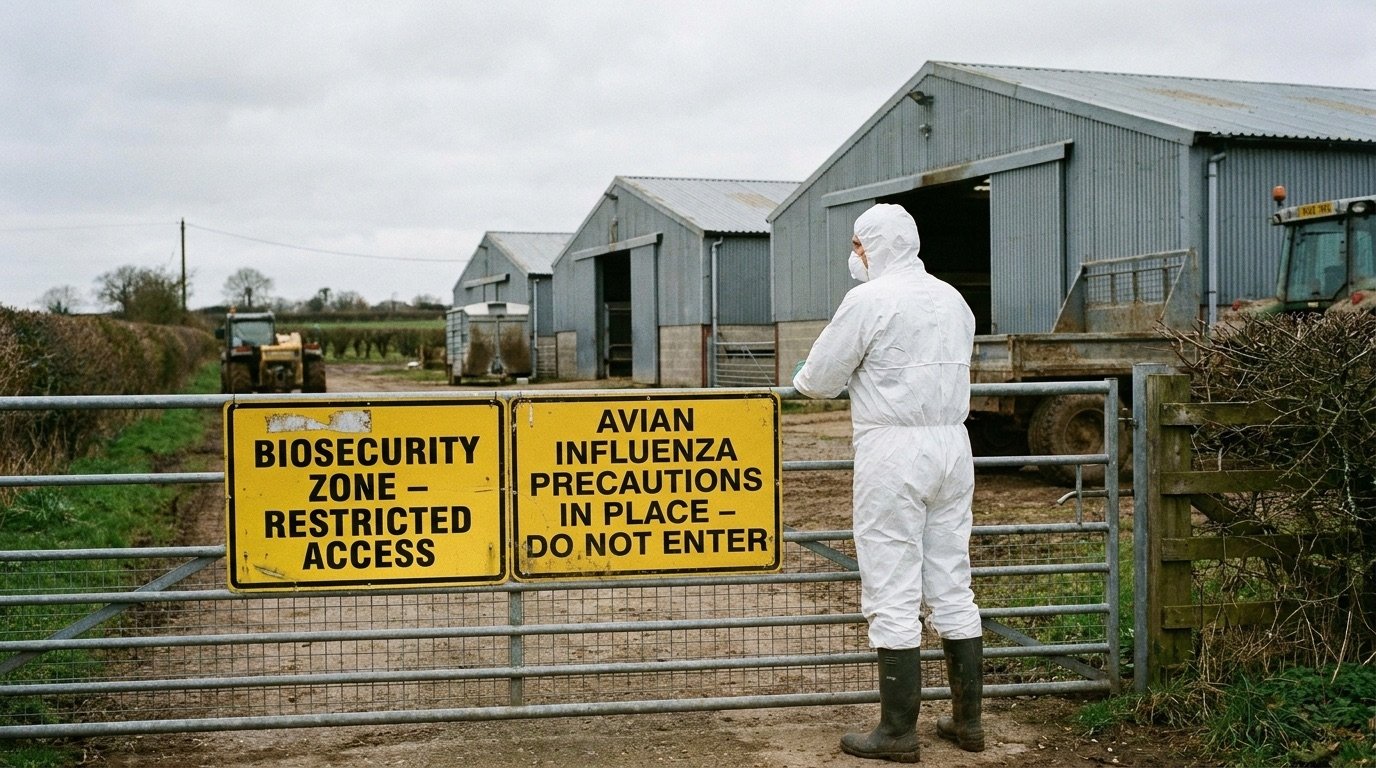
Poultry farms in Western Australia have entered lockdown after deadly H5N1 bird flu was found in wild birds on the Australian mainland, prompting the country's largest producer to act before the strain can reach commercial flocks.