Four children and an adult rescued after being cut off by the tide at Cleveleys
An evening callout off the Lancashire coast ended safely after four children and an adult were plucked from sandbanks by Blackpool's RNLI volunteers — the latest in a string of tide strandings this summer.
UK News & Politics Editor ·
Why it's trending
The dramatic evening rescue off the Lancashire coast is trending as the RNLI renews its warning about sandbanks and fast-moving incoming tides.
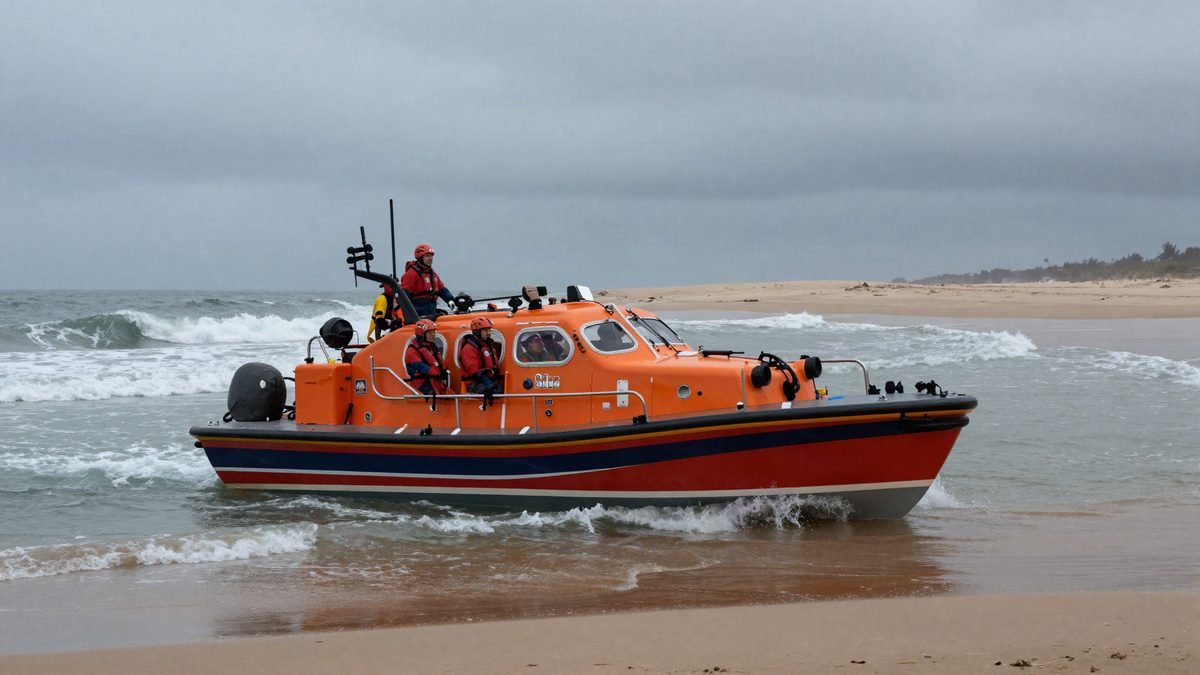
Four children and an adult were rescued off the Lancashire coast on Wednesday evening after the incoming tide cut them off on sandbanks at Cleveleys, in the latest of a string of near-misses that have kept lifeboat crews busy this summer.
The alarm was raised at about 8:30pm, with Blackpool RNLI launching an inshore lifeboat to reach the stranded group. Rick Williams — Blackpool Council's beach patrol manager, who also volunteers with the RNLI crew — 'leapt into action', in the charity's words, and brought all five safely back to shore.
At a glance
- Four children and one adult rescued off Cleveleys at about 8:30pm on Wednesday
- The group had become stranded on sandbanks as the tide swept in
- Blackpool RNLI launched, with beach patrol manager and volunteer Rick Williams leading the rescue
- The RNLI says the incident 'once again highlights the danger of our sandbanks'
- Beachgoers urged to check tide times and stay alert to cut-off risks
Minutes from disaster
Strandings like Wednesday's unfold with deceptive speed. The sandbanks off the Fylde coast sit far out across a flat beach at low water, inviting walkers and playing children a long way from the promenade. When the tide turns, the channels behind the banks fill first — cutting off the route back while the sand underfoot still feels safely dry.
By the time the water is visibly rising, the walk back can already be a swim. The RNLI said the incident 'once again highlights the danger of our sandbanks, with incoming tides and currents cutting off the sandbanks', urging visitors to 'be aware of your surroundings, tide times and alert to the dangers'.
A summer of sandbank callouts
This is not an isolated incident on this stretch of coast. Lifeboat crews along the Fylde — at Blackpool, Fleetwood and Lytham St Annes — respond to cut-off incidents every summer, and bodycam footage from a dramatic July rescue of two boys dragged under the waves near Blackpool was widely shared just weeks ago.
The pattern is consistent: warm evenings, big tidal ranges and unfamiliar visitors. School holidays multiply all three, which is why August is the busiest month in the RNLI's calendar.
The people who go out
Wednesday's rescue also illustrates who answers these calls. RNLI crews are overwhelmingly volunteers — plumbers, teachers and, in this case, the council's own beach patrol manager — carrying pagers year-round and dropping everything when the launch request comes.
The overlap between Blackpool Council's beach patrol and the RNLI crew is deliberate: the patrol knows the beach's danger spots street by street, and that local knowledge is often the difference between a swift pick-up and a search in fading light.
How to not need rescuing
The safety advice is unglamorous and effective. Check tide times before walking out on any beach — they are free on the Met Office and BBC websites and posted on promenade signs. Keep a charged phone, and call 999 for the Coastguard the moment water starts cutting a route back.
Above all, respect how fast the sea moves over flat sand: on parts of the north-west coast the tide comes in faster than an adult walks. If the water is filling channels behind you, the time to turn back has already passed.
What happens next
All five members of Wednesday's group were returned safely to shore, needing nothing more than warmth and relief. The RNLI's warning, though, is aimed at the thousands still to visit the Fylde's beaches before the season ends.
With high summer tides continuing and the school holidays running to September, crews along the coast will stay on high alert — hoping the next trending search from Cleveleys is about donkey rides, not lifeboats.
Sources & verification
- RNLI — primary reporting and official updates
- Reporting reviewed on 13 August 2026; figures as published at that time
Filed under UK News · Written by Eleanor Whitfield