Doctor charged in alleged $89m fraud puts healthcare billing under scrutiny
A criminal case said to involve tens of millions of dollars has drawn fresh attention to enforcement against medical billing fraud, with the allegations yet to be tested in court.
Marcus Reeve
Writer ·

A doctor has been charged in connection with an alleged healthcare fraud scheme said to be worth $89 million, a case prominent enough to feature among the day's leading US news stories. The allegation has sharpened the focus on how medical billing systems are policed and how authorities pursue claims of large-scale abuse.
As with any criminal matter, the charges are allegations and remain unproven unless and until they are established in court. But the sheer scale of the figure cited has ensured the case resonates well beyond the individual involved.
Healthcare billing fraud strikes at a sensitive nerve: the trust that systems built to treat patients are not being quietly exploited for profit.
Why the case stands out
Cases of this size attract attention not only for the money allegedly involved but for what they imply about oversight. Investigators and prosecutors frequently use high-value prosecutions to signal the scope of enforcement and to deter similar conduct elsewhere in the sector.
- A doctor faces charges tied to an alleged $89 million fraud scheme.
- The case featured among leading US news stories of the day.
- The charges are allegations and unproven unless established in court.
- The matter highlights enforcement around medical billing systems.
The public-interest stakes
When medical systems are accused of being exploited, the costs are not abstract. Alleged losses on this scale raise questions about safeguards, auditing and the resilience of programmes that patients and taxpayers ultimately fund.
“Allegations of fraud on this scale test public confidence in the systems meant to protect both patients and the public purse.”
Background
Healthcare fraud enforcement typically targets practices such as billing for services not provided, inflating claims or misrepresenting treatments. High-value cases often emerge from data analysis, whistleblowers or audits that flag irregular patterns in claims.
Such prosecutions can be complex and lengthy, requiring detailed financial evidence to substantiate the alleged conduct and to quantify any losses. The presumption of innocence remains central throughout.
What happens next: the case will proceed through the courts, where prosecutors must set out their evidence and the defendant will have the opportunity to respond. The outcome will hinge on what can be proven rather than on the headline figure alone.
Sources: reporting by ABC News.
The NE Times is an independent news and analysis publisher. Our articles combine factual reporting with clearly-written, impartial analysis. Content is for general information and does not constitute professional advice. Disclaimer.
You may also like to read
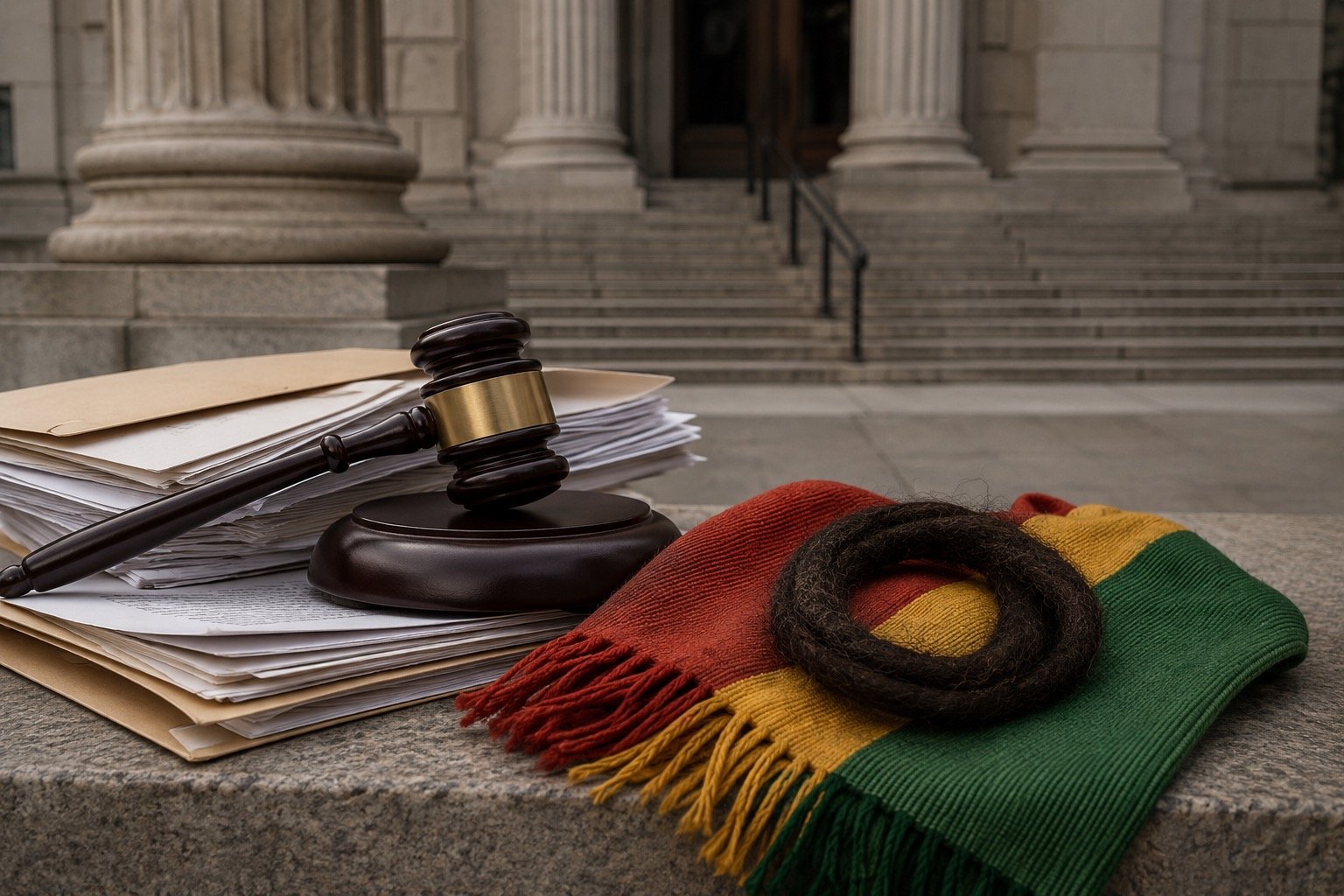
US Supreme Court limits damages over Rastafari inmate's cut dreadlocks
Justices condemned the shaving of Damon Landor's hair but ruled that federal religious-rights law did not allow him to claim money damages from prison officials.
Supreme Court Immigration Rulings Hand Trump a Run of Wins
A series of decisions touching temporary protected status and asylum has strengthened the White House's hand and reignited the row over executive power.
White House Asks Congress for Tens of Billions in Iran War Spending
A funding request reported at $87.6bn bundles money tied to the Iran conflict with military readiness and domestic priorities.

ICE to offload warehouse detention sites after lawsuits
US officials plan to shed some warehouse properties bought for immigrant detention after legal challenges and cost questions complicated the programme.