H5N1 bird flu turns Australian biosecurity into a household question
H5N1 has reached the Australian mainland, prompting warnings for pet owners even as experts stress the immediate risk to common household pets remains low.
Marcus Reeve
Writer ·
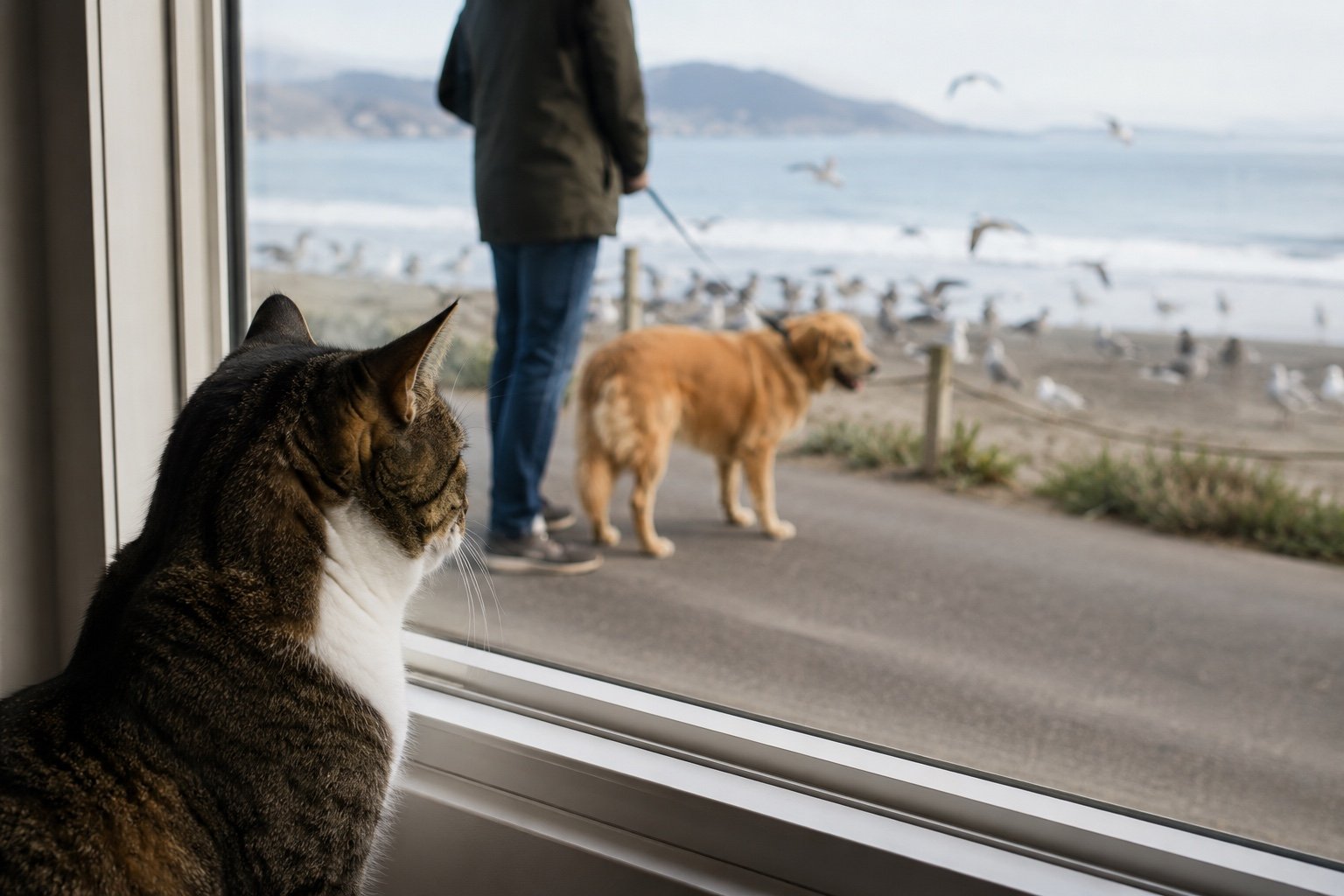
Biosecurity often sounds like a government word until it reaches the front door. The arrival of the deadly H5N1 bird flu strain on the Australian mainland has done exactly that, prompting warnings for pet owners even as experts stress that the risk to common household pets remains low.
What happened
Guardian reporting says six cases had been confirmed since late June in migratory sub-Antarctic birds, with detections in Western Australia, South Australia and New South Wales. Authorities are on alert, not because every household pet is suddenly in danger, but because the virus has already shown around the world that it can move through birds, marine mammals and, in some circumstances, cats and dogs.
The useful public message is balance. H5N1 is serious: it has killed millions of birds and thousands of marine mammals since its global spread accelerated from 2021, and it can be fatal to cats and dogs. But the Guardian's explainer makes clear that the risk to humans is low and that cases in common household pets are infrequent. Public-health communication fails when it either minimises a real hazard or magnifies it into panic.
Why it matters
For pet owners, the central issue is exposure. Government advice cited in the report says overseas infections in dogs and cats have usually followed contact with sick or dead birds, infected animals, raw pet food or unpasteurised milk. That translates into practical steps rather than vague anxiety: keep pets away from wild birds, do not let cats or dogs investigate carcasses on beaches or in parks, and avoid leaving food or water where wild birds can contaminate it.
The concern is sharper for cats, which overseas evidence suggests may be more susceptible than dogs. The Guardian cited a study published by the American Veterinary Medical Association that found domestic cats infected with H5N1 had overall mortality rates of 50 to 70%. That figure is not a prediction for Australian pets, because infection itself remains uncommon and depends heavily on exposure, but it explains why experts are taking the subject seriously.
The bigger picture
The Australian context adds a second layer, because this is not only about pets. The federal government has assessed hundreds of bird and mammal species that could be threatened, including native birds and marine mammals. In a country with exceptional biodiversity, the arrival of H5N1 is a conservation story as much as a household-safety story. Protecting pets from infected wildlife and protecting wildlife from domestic animals are connected tasks.
That is why the advice around cats matters beyond bird flu. BirdLife Australia's Sean Dooley told the Guardian that cats should generally be kept indoors for bird safety, and that during an outbreak indoor containment would also protect the cats themselves. Dog owners were advised to be cautious on beaches, particularly along southern coasts and after storms that may wash dead birds ashore. These are temporary, practical behaviours, not dramatic lifestyle demands.
What happens next
The challenge for authorities will be communication over time. If the virus stays limited to a small number of wild bird detections, public attention may fade; if more cases emerge near populated coastal areas, messaging will have to become more specific without becoming alarmist. Dr Diana Barker of the Australian Veterinary Association is quoted saying there is no cause for alarm while also urging vigilance, which is the right tone. The household message is simple: keep pets away from sick or dead birds, watch for unusual symptoms, avoid risky raw products, and phone a vet if concerned.
Sources: reporting by The Guardian.
The NE Times is an independent news and analysis publisher. Our articles combine factual reporting with clearly-written, impartial analysis. Content is for general information and does not constitute professional advice. Disclaimer.
You may also like to read
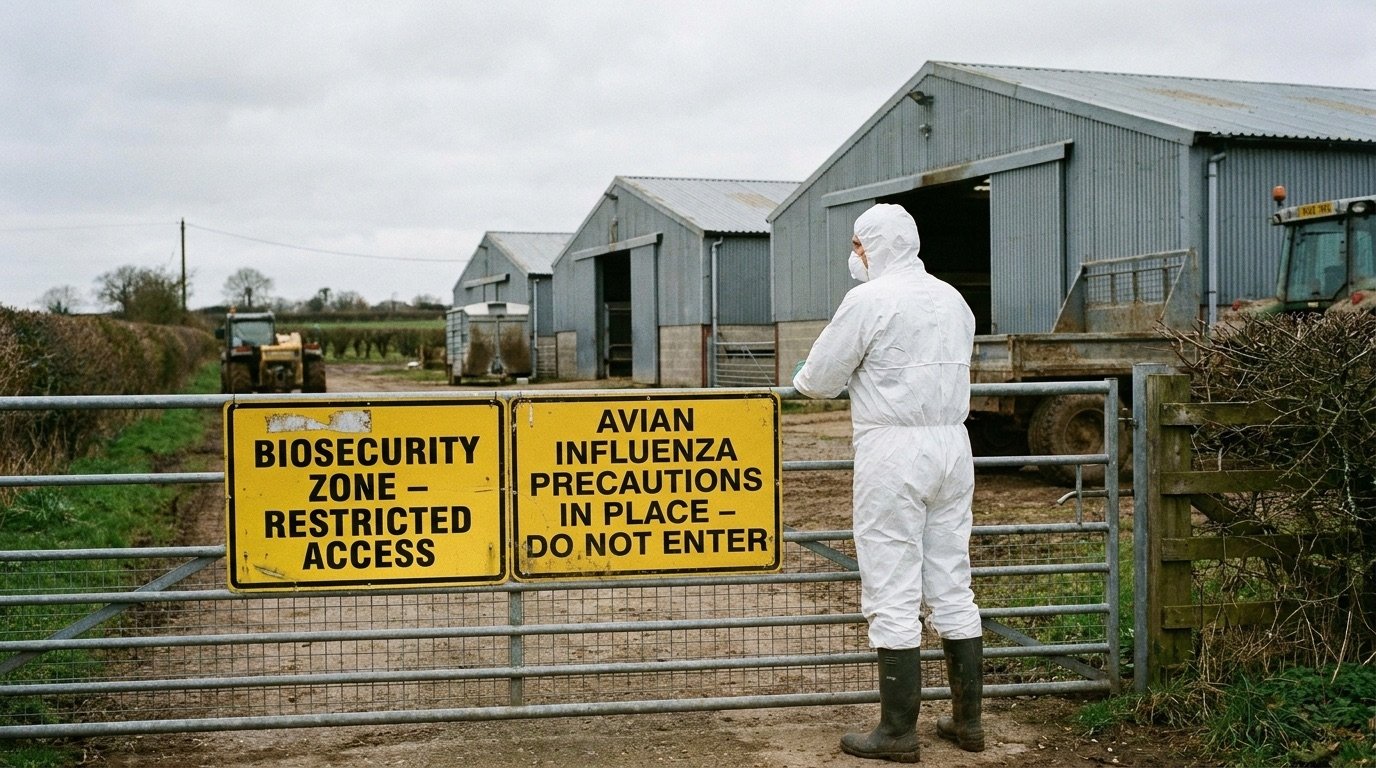
H5N1 Detection on Australian Mainland Forces WA Poultry Farms Into Lockdown
Poultry farms in Western Australia have entered lockdown after deadly H5N1 bird flu was found in wild birds on the Australian mainland, prompting the country's largest producer to act before the strain can reach commercial flocks.
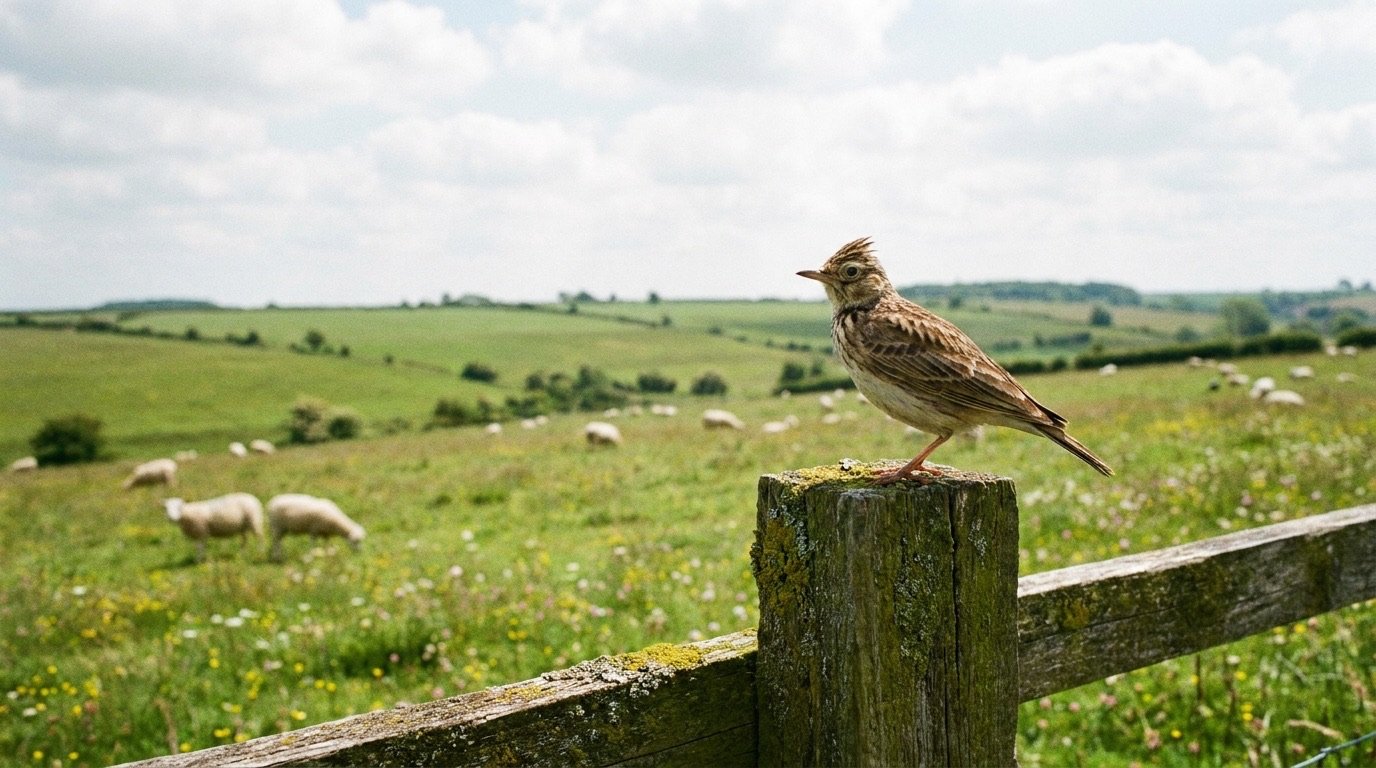
One in six birds lost since 1980 as landmark report warns of devastating decline in UK nature
Conservationists say 1,500 species in Great Britain are at risk of being lost completely, with birds facing an especially high extinction threat driven by intensive farming and climate change.

Foxes, puffins and bumblebees in the running for new UK banknotes as public vote opens
The Bank of England has unveiled an 18-strong shortlist of native British wildlife and invited the public to help choose which species will grace the next series of £5, £10, £20 and £50 notes.
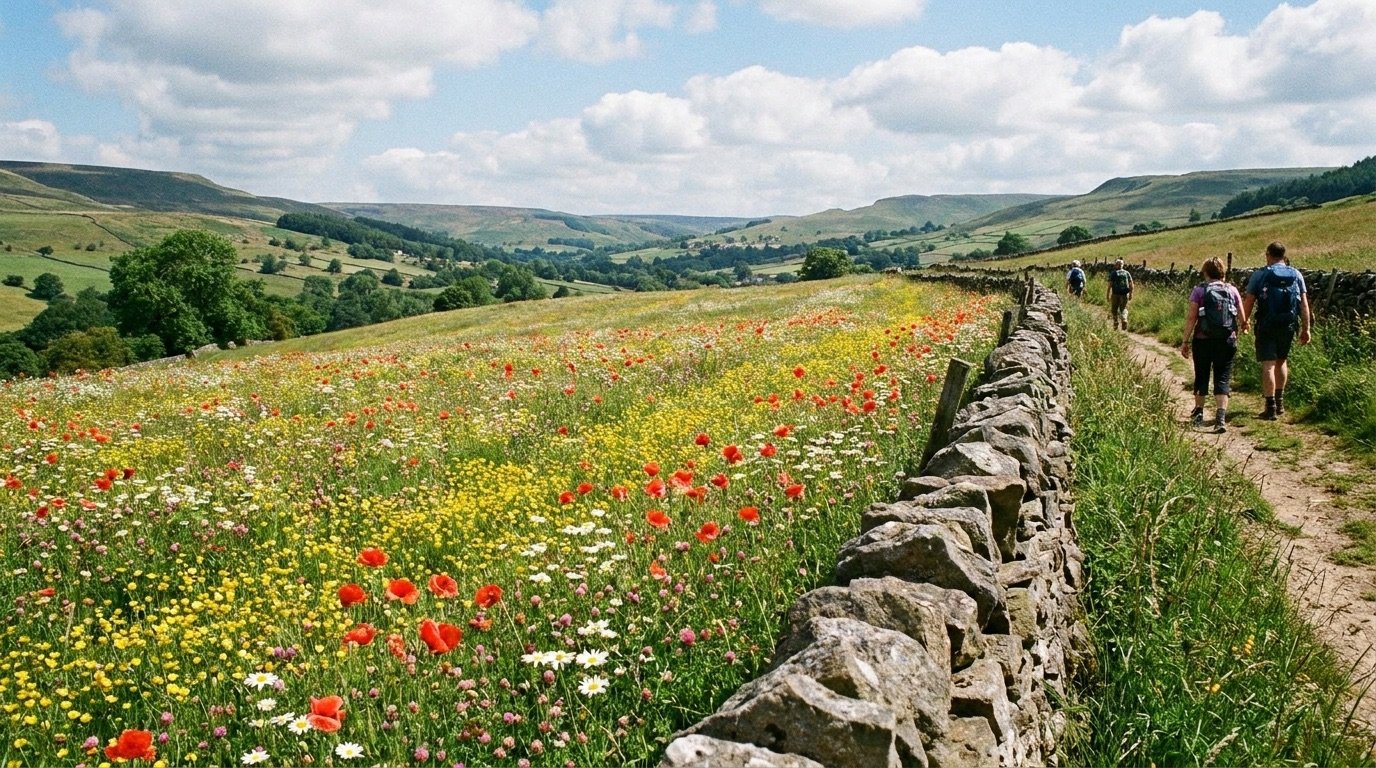
Government launches £30m fund to restore wildlife in England's protected landscapes
Wildflower meadows, wetlands and native woodlands are set to be created across national parks and national landscapes under a new three-year scheme delivered with farmers.