Oil prices ease as more tankers exit the Strait of Hormuz
Brent crude slipped back below pre-war levels as vessel traffic through the strait doubled, calming fears of a prolonged energy crunch.
Rajan Mehta
Writer ·
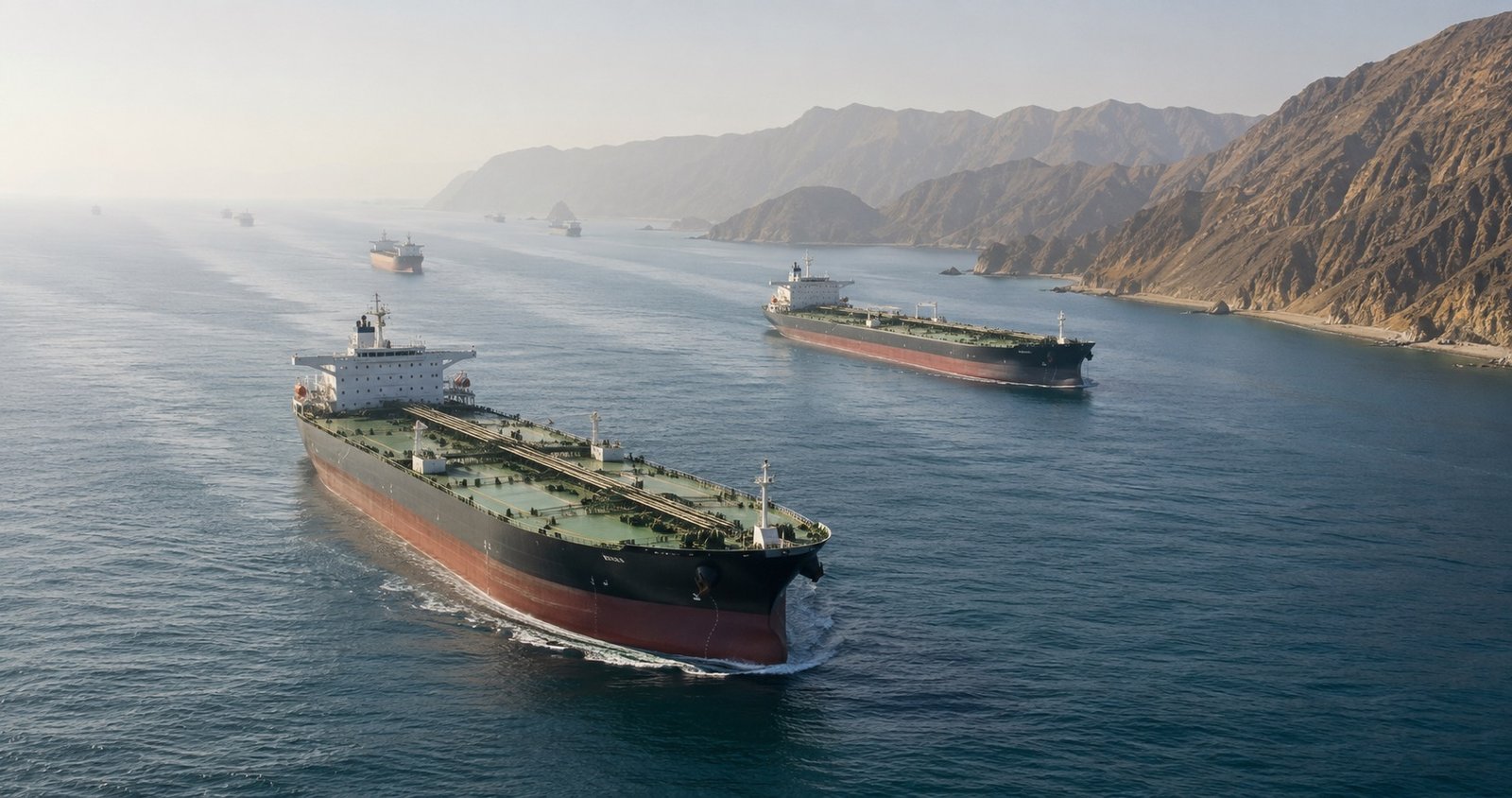
Oil markets eased on Thursday as more tankers moved through the Strait of Hormuz, calming fears of a prolonged energy crunch after months of disruption tied to the Iran war.
Prices and traffic
Brent crude fell to $72.24 a barrel, below the level seen before February's strikes on Tehran, while vessel traffic doubled over 24 hours to its strongest reading since late February. A Liberian-registered tanker was reported to have used a route close to Oman, promoted by a UN maritime agency, despite warnings from Iran's Revolutionary Guard.
What happens next
Analysts cautioned that regional tensions, a backlog of shipping and European heat-driven power demand could keep the market volatile, even as the immediate panic premium drains away.
Sources: reporting by The Guardian.
The NE Times is an independent news and analysis publisher. Our articles combine factual reporting with clearly-written, impartial analysis. Content is for general information and does not constitute professional advice. Disclaimer.
You may also like to read

Asian shares mixed after technology-led sell-off
Regional markets wavered as semiconductor stocks, currency expectations and Wall Street sentiment reshaped trading.
Energy bills to jump 13% in July as price cap climbs back above £1,860
Ofgem's new cap adds around £221 to the typical annual bill from 1 July, but regulators and campaigners say many households can dodge much of the rise by fixing.

Netflix and Spotify blur the lines between streaming and podcasting
A distribution pact bringing Spotify Studios and Ringer video shows to Netflix marks the clearest sign yet that the podcast and television businesses are converging.
KPMG trims UK growth forecast to 0.8% as Middle East conflict adds risk
The consultancy expects the economy to expand by just 0.8 per cent this year, warning that disruption to energy markets from the Iran conflict could push up inflation and weigh on output.