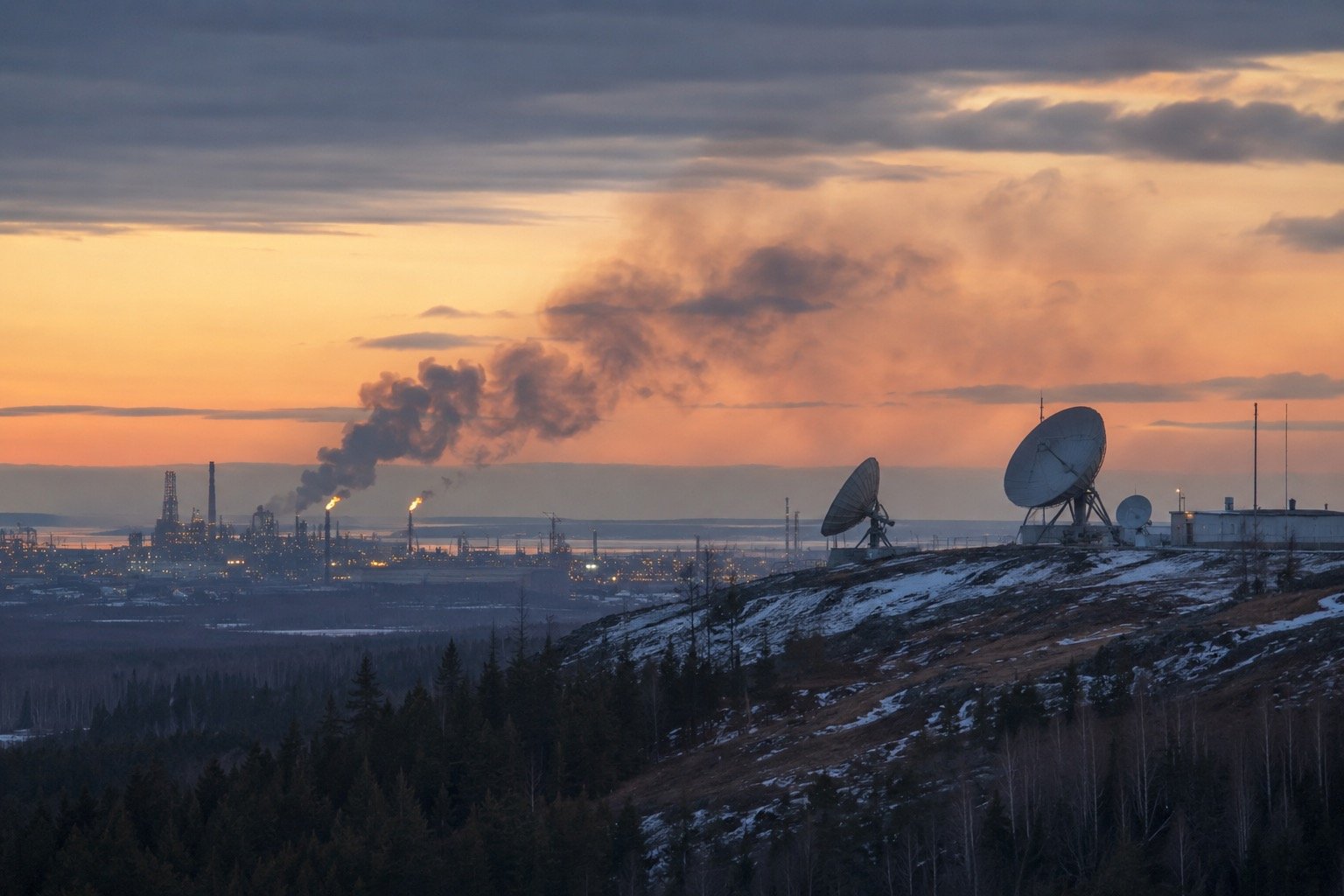
Ukraine says long-range strikes hit Russian gas plant and satellite sites
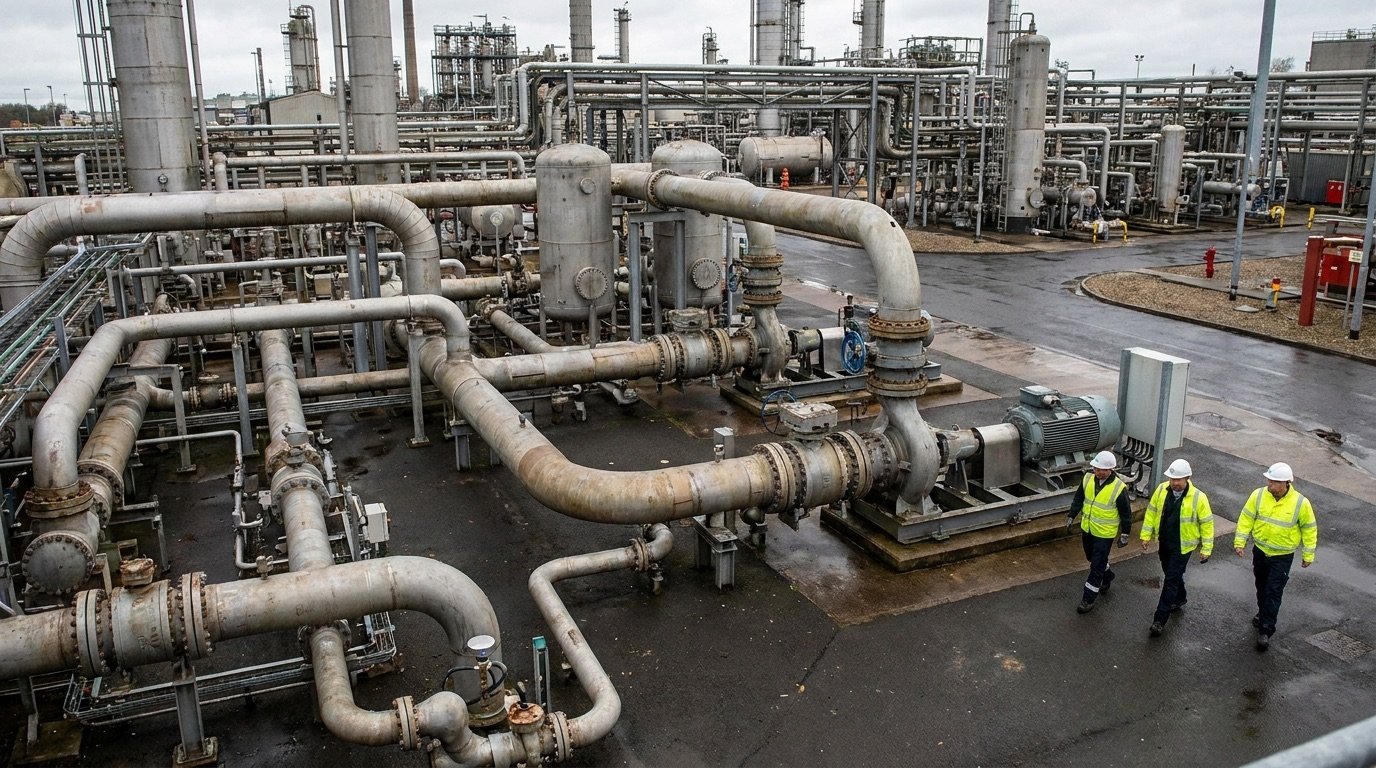
Kyiv widens its campaign against infrastructure it describes as supporting Moscow's war effort, targeting energy and space-linked facilities.
Marcus Reeve 3 min read
Energy coverage here connects geopolitics to household bills. Recent reporting follows oil prices easing as tankers return to the Strait of Hormuz, the Qatar gas terminal blast that killed 13 during restart work and revived Gulf energy fears, and Ukrainian long-range strikes on a Russian gas plant. At home, the page tracks energy bills jumping 13% as the price cap climbs back above £1,860, MPs preparing to debate a full fracking ban, and the UN's call for AI firms to disclose the energy powering their systems.
Kyiv widens its campaign against infrastructure it describes as supporting Moscow's war effort, targeting energy and space-linked facilities.
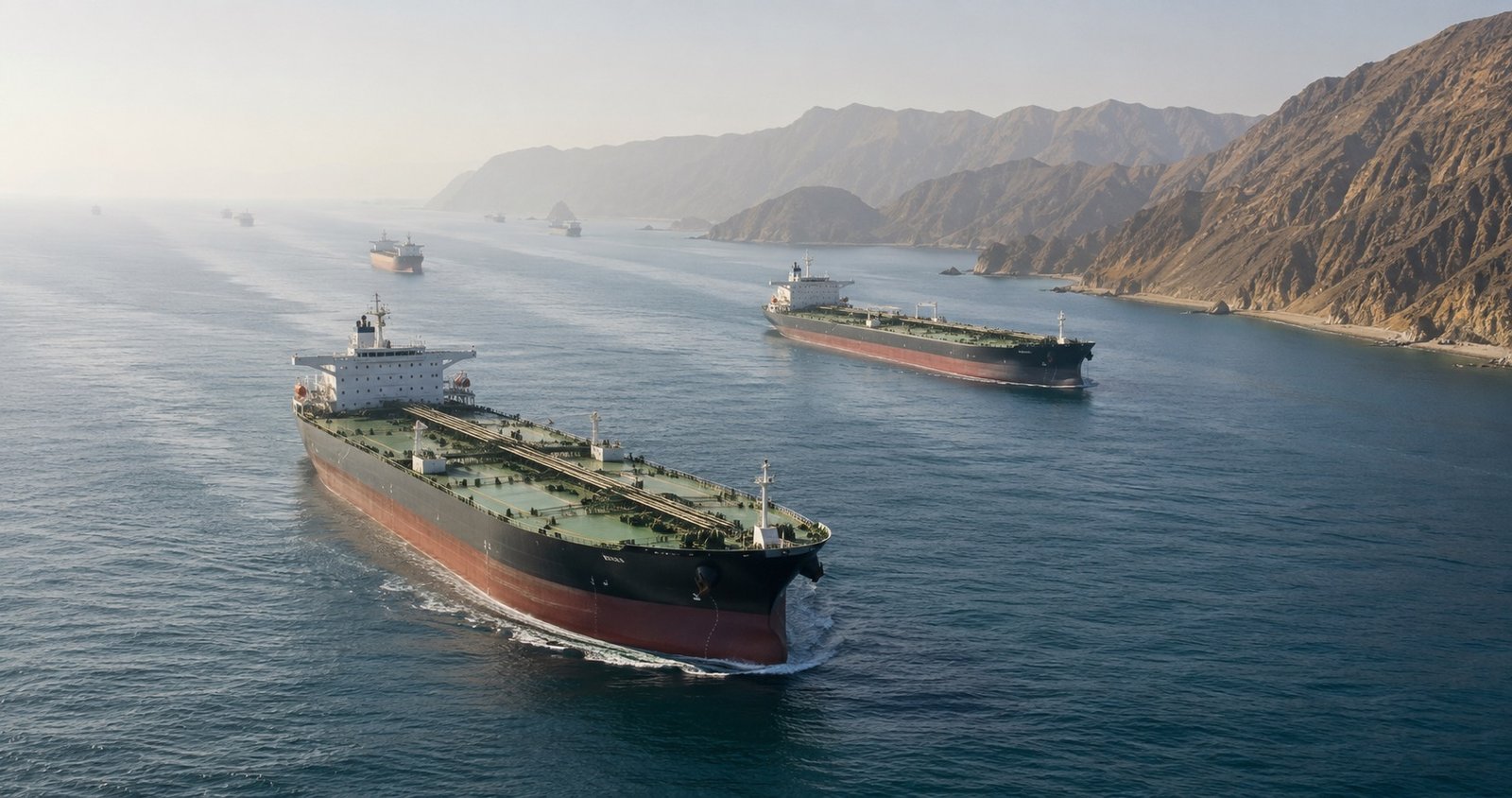
Brent crude slipped back below pre-war levels as vessel traffic through the strait doubled, calming fears of a prolonged energy crunch.

The UN secretary-general has urged artificial intelligence companies to share information about the power used to run their models, linking AI's rapid growth to energy demand and data-centre transparency.
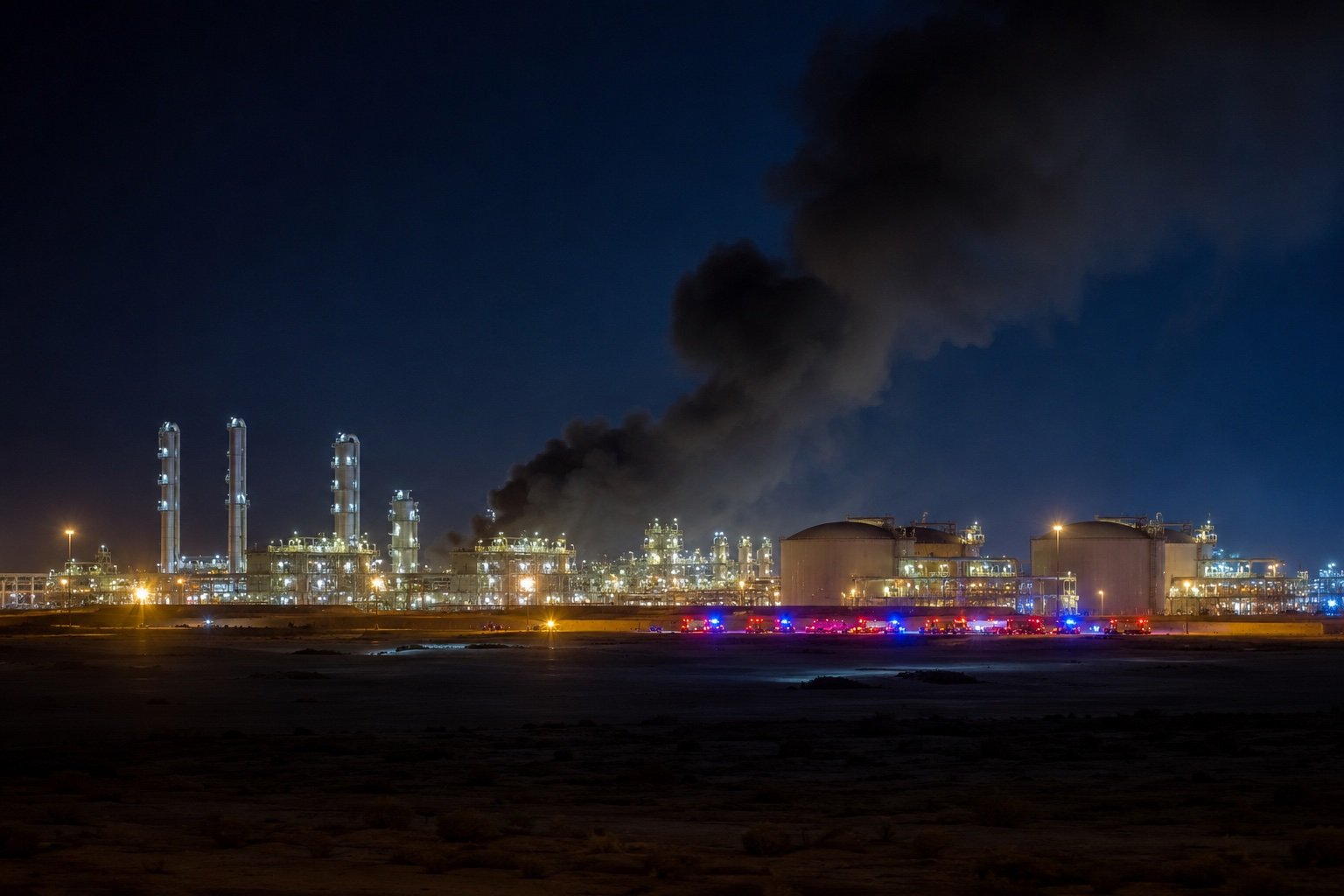
At least 13 people were killed and dozens injured in an explosion and fire at the Barzan gas facility in Qatar's Ras Laffan industrial zone, as crews worked to bring the plant back online after disruption tied to the recent Iran conflict.
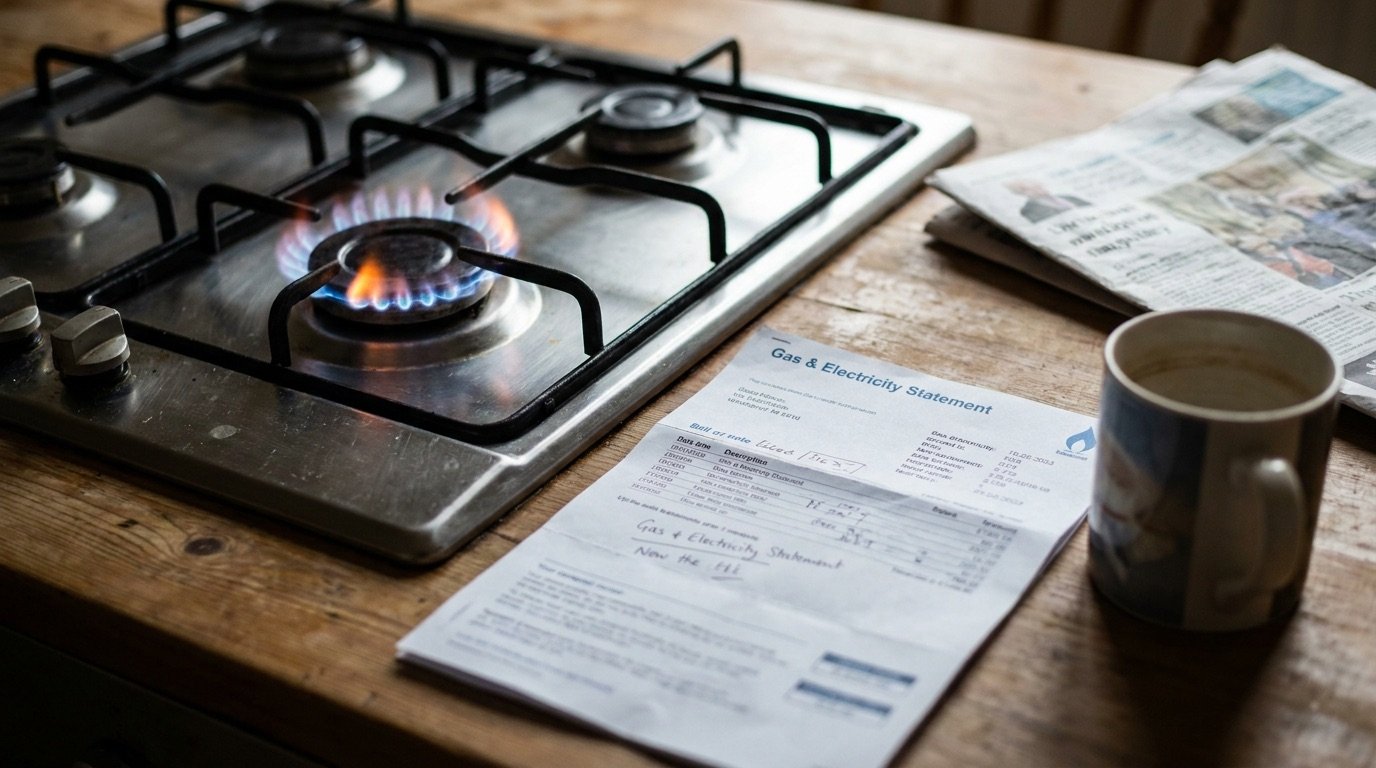
Ofgem's new cap adds around £221 to the typical annual bill from 1 July, but regulators and campaigners say many households can dodge much of the rise by fixing.

A Commons debate will weigh the environmental, economic and energy security arguments over whether to close loopholes in the UK's fracking moratorium.
The consultancy expects the economy to expand by just 0.8 per cent this year, warning that disruption to energy markets from the Iran conflict could push up inflation and weigh on output.