Energy bills to jump 13% in July as price cap climbs back above £1,860
Ofgem's new cap adds around £221 to the typical annual bill from 1 July, but regulators and campaigners say many households can dodge much of the rise by fixing.
Rajan Mehta
Writer ·
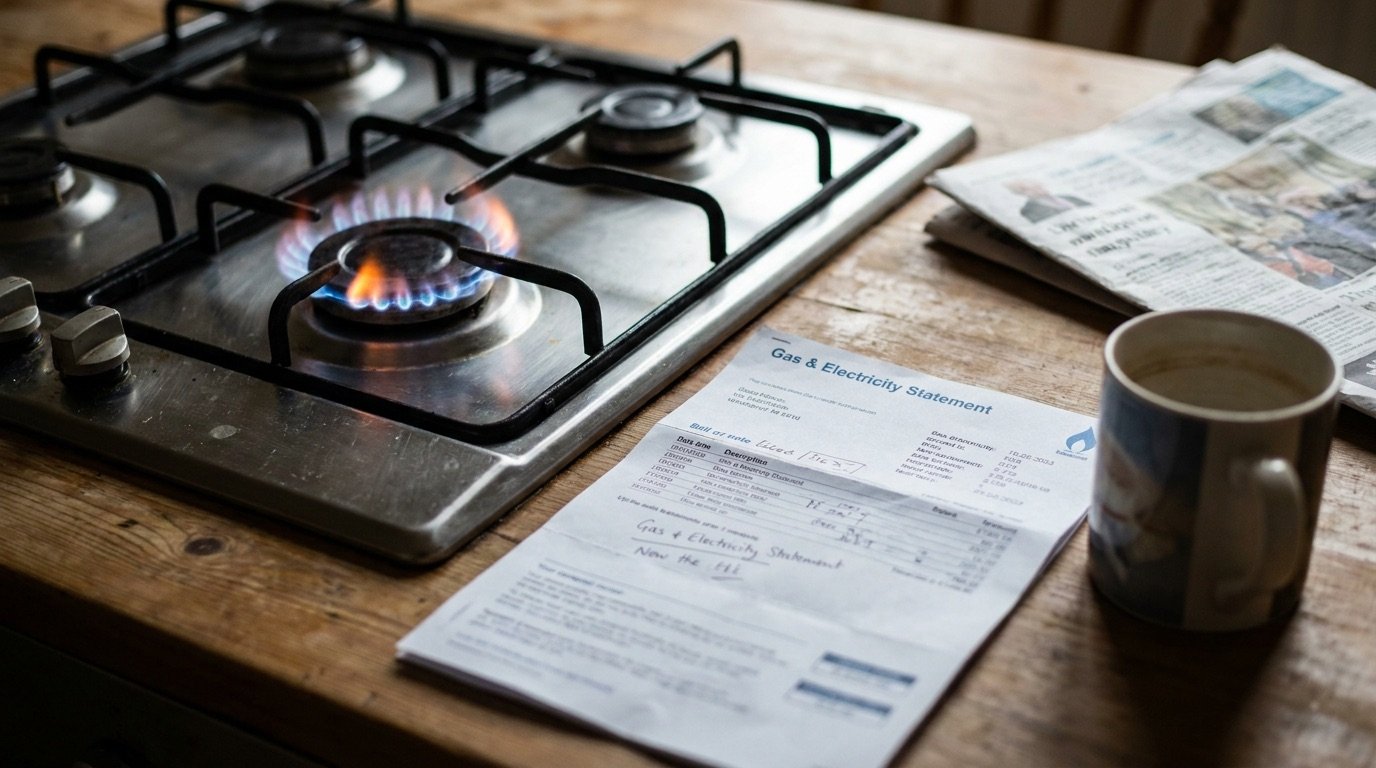
Millions of households face a fresh increase in their energy bills from 1 July, after Ofgem confirmed that its price cap will rise by 13% for the third quarter of the year. The change takes the cap for a typical household paying by direct debit to £1,862 a year, an increase of around £221 on the previous level.
The rise reverses some of the relief seen earlier in the year and reflects renewed volatility in wholesale gas markets, with higher international prices feeding through to the cost of supplying homes. Ofgem said the increase was driven primarily by the wholesale cost of energy, the single biggest component of a typical bill.
Crucially, the cap is not a cap on total bills. It limits the unit rates and standing charges suppliers can charge on standard variable tariffs, so households that use more energy will pay more, and those who use less will pay less.
What the new cap means in pence and pounds
Under the new level, a typical household on a standard variable tariff paying by direct debit will pay an average of 26.11 pence per kilowatt hour for electricity, with a daily standing charge of 57.19 pence. For gas, the average unit rate is 7.33 pence per kilowatt hour, with a daily standing charge of 29.04 pence.
Standing charges, the fixed daily fees that apply regardless of how much energy is used, remain a particular source of frustration for low-usage households, who pay them whether or not they switch on the heating. Ofgem has faced sustained pressure to reform how these charges work, though the structure remains in place for now.
- New cap level: £1,862 a year for a typical direct debit household, up around £221 (13%)
- Electricity: 26.11p per kWh, standing charge 57.19p per day
- Gas: 7.33p per kWh, standing charge 29.04p per day
- The cap covers around 1 July to 30 September 2026
- A further rise of roughly 2% is currently forecast for the final quarter of the year
Why bills are rising again
The increase is rooted in wholesale markets. Gas prices have been pushed higher by global tensions and supply concerns, and because the UK still relies heavily on gas both for heating and for generating a large share of its electricity, those moves flow quickly into household bills. Wholesale costs make up the bulk of the cap, so when they rise, the cap follows with a lag.
Ofgem updates the cap every three months, smoothing out some of the sharpest swings but also meaning that today's wholesale spikes turn up in bills a quarter or two later. The regulator's current forecasts suggest a further small increase of around 2% in the autumn, though that projection could change as markets move.
“For most people this rise is effectively voluntary, because there are fixed deals on the market that beat the new cap. Anyone still sitting on a standard variable tariff should at least check whether they can fix and lock in a lower price.”
— Consumer money commentator, summarising widely given advice
How households can soften the blow
Campaigners and consumer experts have stressed that the cap is not the cheapest deal available. With competition returning to the market, a number of fixed tariffs have been priced below the new cap level, meaning households willing to lock in a rate can avoid much of the July increase. The advice is to compare the per-unit rates of any fix against the new cap rather than relying on headline figures.
Beyond switching, the familiar levers still apply: improving insulation, using smart meters to track consumption, and shifting heavy usage where time-of-use tariffs allow. For those struggling, suppliers are obliged to offer support, and grants and hardship schemes remain available, though awareness of them is patchy.
Background
The energy price cap was introduced to protect households on default tariffs from being overcharged, and it took on national significance during the energy crisis, when wholesale prices surged and bills hit record highs. Since then the cap has fallen back from its peaks but has remained volatile, rising and falling with global gas markets. Ofgem reviews and resets it quarterly, publishing the new level several weeks before it takes effect so households have time to consider their options.
The current rise comes against a backdrop of broader cost-of-living pressure, with inflation lingering and energy costs once again a prominent worry for households heading into the second half of the year.
What it means
For households on default tariffs who do nothing, the July increase will mean noticeably higher bills, particularly for those with high consumption. For the more engaged, the gap between the cap and the best fixed deals offers a way to limit the damage. With a further small rise forecast for the autumn, the message from regulators and campaigners alike is to review tariffs now rather than wait. This article is general information and not financial advice.
Sources: reporting by Ofgem.
The NE Times is an independent news and analysis publisher. Our articles combine factual reporting with clearly-written, impartial analysis. Content is for general information and does not constitute professional advice. Disclaimer.
You may also like to read

Energy bills set to jump 13% in July as price cap climbs back above £1,860
Households face a £221 increase in typical annual energy costs from 1 July after the regulator confirmed a 13% rise in the price cap, driven by higher wholesale gas prices linked to renewed conflict in the Middle East.

Energy bills to jump 13% from July as Ofgem blames Middle East gas prices
The regulator's latest price cap will add around £18 a month to a typical dual-fuel bill from 1 July, with gas costs rising by almost a quarter as conflict abroad drives up wholesale prices.

Broadband and mobile customers count the cost of April price hikes three times inflation
Millions of households have absorbed broadband and mobile price rises of up to £4 a month this year, with new fixed-pound increases outstripping inflation and many customers unaware they can often switch away penalty-free.

Oil prices ease as more tankers exit the Strait of Hormuz
Brent crude slipped back below pre-war levels as vessel traffic through the strait doubled, calming fears of a prolonged energy crunch.