KPMG trims UK growth forecast to 0.8% as Middle East conflict adds risk
The consultancy expects the economy to expand by just 0.8 per cent this year, warning that disruption to energy markets from the Iran conflict could push up inflation and weigh on output.
Rajan Mehta
Writer ·
KPMG has forecast that the UK economy will grow by just 0.8 per cent in 2026, down from 1.4 per cent in 2025, as the consultancy flagged the risks posed by conflict in the Middle East to energy prices and supply chains. The downgrade reflects a more cautious view of an economy already struggling to build momentum.
The revision chimes with cautious assessments elsewhere, including the International Monetary Fund, which has also pencilled in growth of around 0.8 per cent for the year. A broad consensus is forming that 2026 will be another year of sluggish expansion, with the UK trailing many of its peers and vulnerable to fresh external shocks.
For a country still seeking to escape years of weak productivity growth and stagnant living standards, the forecast is an unwelcome reminder of how fragile the recovery remains. Even modest external disruptions can tip a low-growth economy towards stagnation.
Energy exposure in focus
KPMG warned that the UK is relatively exposed to gas price shocks because wholesale electricity prices are closely linked to gas. Disruption around the Strait of Hormuz threatens energy costs, commodities and supply chains, with the eventual impact depending on how long any blockage lasts. The strait is one of the world's most important oil transit routes, and any sustained interference would ripple through global markets.
Because Britain's power prices are heavily influenced by the cost of gas, even a temporary spike in international energy markets can quickly translate into higher bills for households and businesses. That, in turn, can squeeze consumer spending and raise costs for manufacturers, dragging on growth at the same time as it lifts inflation, an uncomfortable combination for policymakers.
- UK GDP forecast cut to 0.8 per cent for 2026
- Growth of 1.4 per cent recorded in 2025
- Eurozone expected to grow 0.9 per cent this year
- IMF also forecasts UK growth of around 0.8 per cent
- Wholesale electricity prices closely tied to gas markets
Yael Selfin, chief economist at KPMG UK, said direct gas exposure was lower than during the Russia-Ukraine energy crisis, which reduced the risk of physical shortages, though price pressures remained a concern. That distinction matters: the lessons of the previous crisis prompted efforts to diversify supply and build resilience, even if the UK remains sensitive to international price swings.
The firm cautioned that sustained energy-driven inflation could squeeze consumer spending and limit the Bank of England's room to lower borrowing costs in the months ahead. That creates a difficult feedback loop, in which higher prices both weaken demand and tie the hands of the central bank that might otherwise support the economy.
A delicate moment for policy
The forecast lands at a sensitive time for economic policymaking. The Bank of England has been navigating a careful path between supporting growth and keeping inflation in check, and a renewed energy shock would sharpen that dilemma. If inflation reaccelerates, the case for cutting interest rates weakens, removing one potential boost to activity.
The government, too, faces constrained options. With public finances stretched and borrowing costs elevated, there is limited scope for large-scale stimulus. That places more of the burden of supporting the economy on monetary policy at precisely the moment when energy-driven inflation may be tying the Bank's hands.
“The UK is more sensitive to gas prices than most advanced economies, so a shock that others can shrug off can leave a real mark here.”
— An energy market analyst
Background: years of subdued growth
The downgrade fits a longer pattern of disappointing performance. UK growth has been weak since the financial crisis, held back by sluggish productivity, underinvestment and a series of external shocks ranging from the pandemic to the energy crisis that followed Russia's invasion of Ukraine. Successive forecasts have repeatedly revised expectations lower.
Against that backdrop, a projection of 0.8 per cent growth represents continued stagnation rather than recovery. It also highlights the UK's particular vulnerability to events in global energy markets, a structural feature that policymakers have struggled to address despite repeated efforts to bolster domestic energy security and renewable capacity.
What happens next
The path of the economy now hinges in large part on developments in the Middle East. A swift de-escalation that calms energy markets would ease the pressure on inflation and growth, potentially allowing forecasters to revise their projections back up. A prolonged crisis, by contrast, could push the UK towards the weaker end of the range or beyond.
For businesses and households, the message is one of continued caution. With growth expected to be modest at best and the risks tilted to the downside, the coming months are likely to test the resilience of an economy that has had little room to spare for some time.
Sources: reporting by KPMG UK.
The NE Times is an independent news and analysis publisher. Our articles combine factual reporting with clearly-written, impartial analysis. Content is for general information and does not constitute professional advice. Disclaimer.
You may also like to read

UK economy shrinks in April as Middle East conflict drags on activity
Official figures show output fell 0.1% in April, the first monthly decline since last summer, with businesses blaming disruption from the conflict in the Middle East.

UK economy shrinks as growth stalls and stagflation fears mount
Official figures show output contracting after a strong start to the year, with services, manufacturing and construction all falling and economists warning of an uncomfortable mix of weak growth and stubborn inflation.
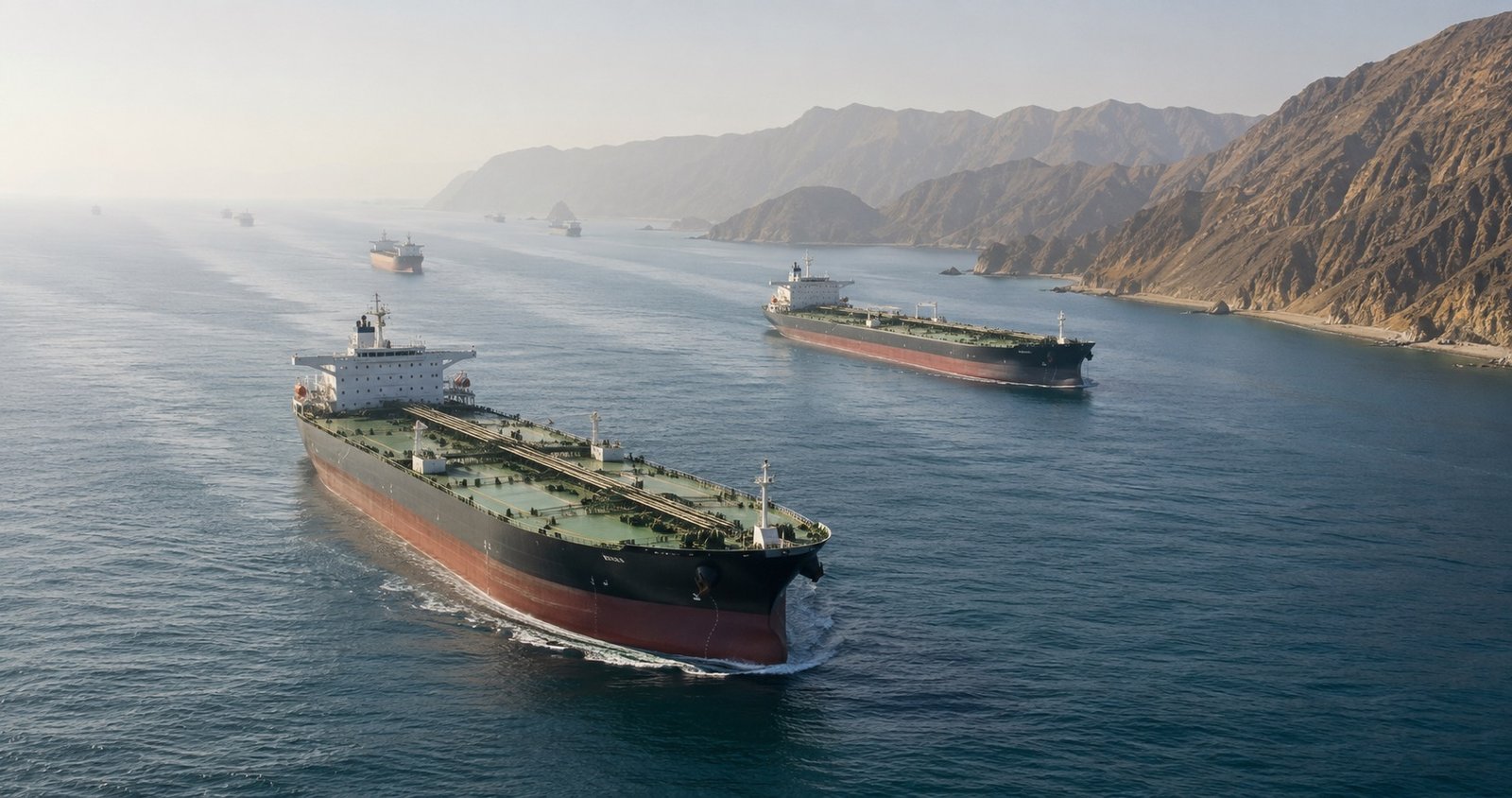
Oil prices ease as more tankers exit the Strait of Hormuz
Brent crude slipped back below pre-war levels as vessel traffic through the strait doubled, calming fears of a prolonged energy crunch.
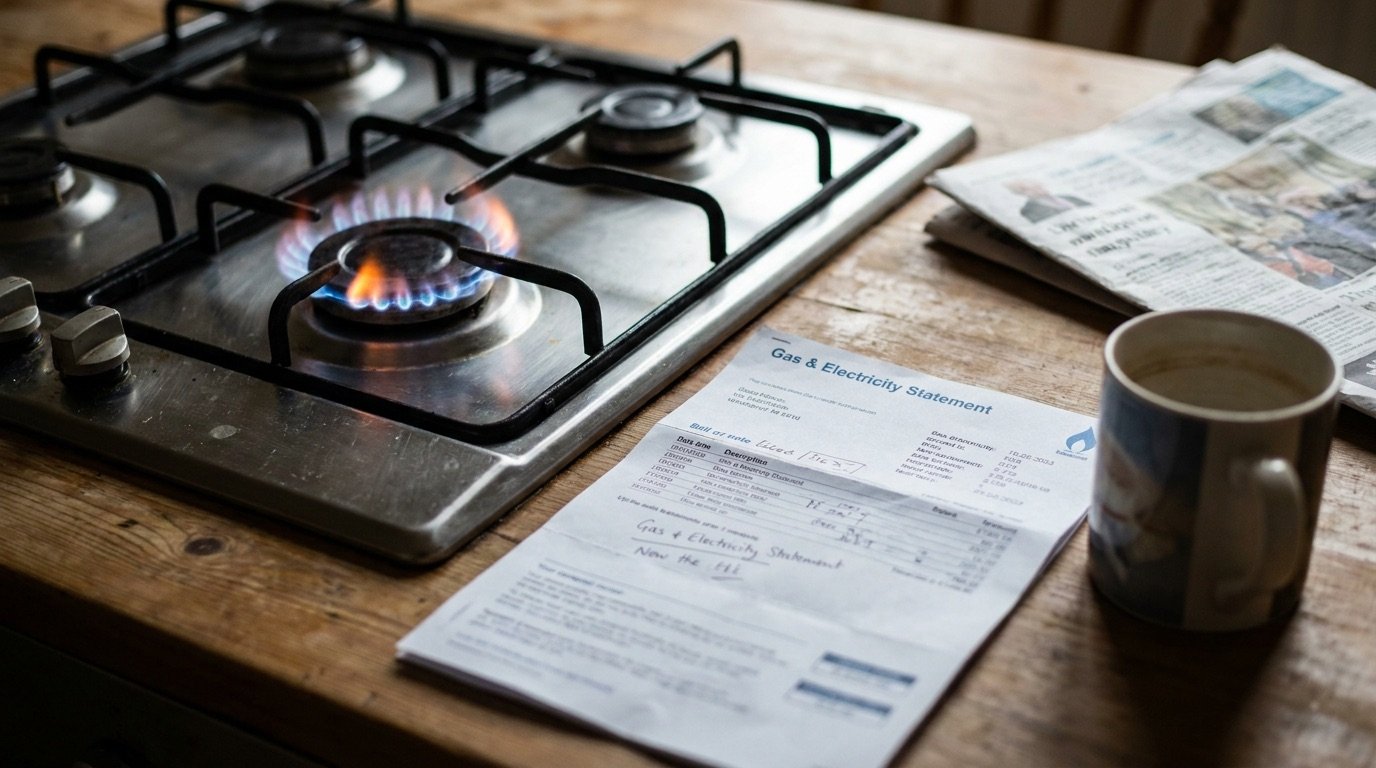
Energy bills to jump 13% in July as price cap climbs back above £1,860
Ofgem's new cap adds around £221 to the typical annual bill from 1 July, but regulators and campaigners say many households can dodge much of the rise by fixing.