Should There Be a Maximum Workplace Temperature? A New Bill Says Yes
A bill would establish a body to recommend maximum safe workplace temperatures as heatwaves become more frequent. Here is what the law could mean for workers and employers.
UK News & Politics Editor ·
Why it's trending
As heatwaves become more frequent and intense, the question of how hot is too hot to work has moved up the agenda. A bill to set maximum workplace temperatures addresses a gap in the law that affects millions of workers each summer.
A gap in the law exposed by hotter summers
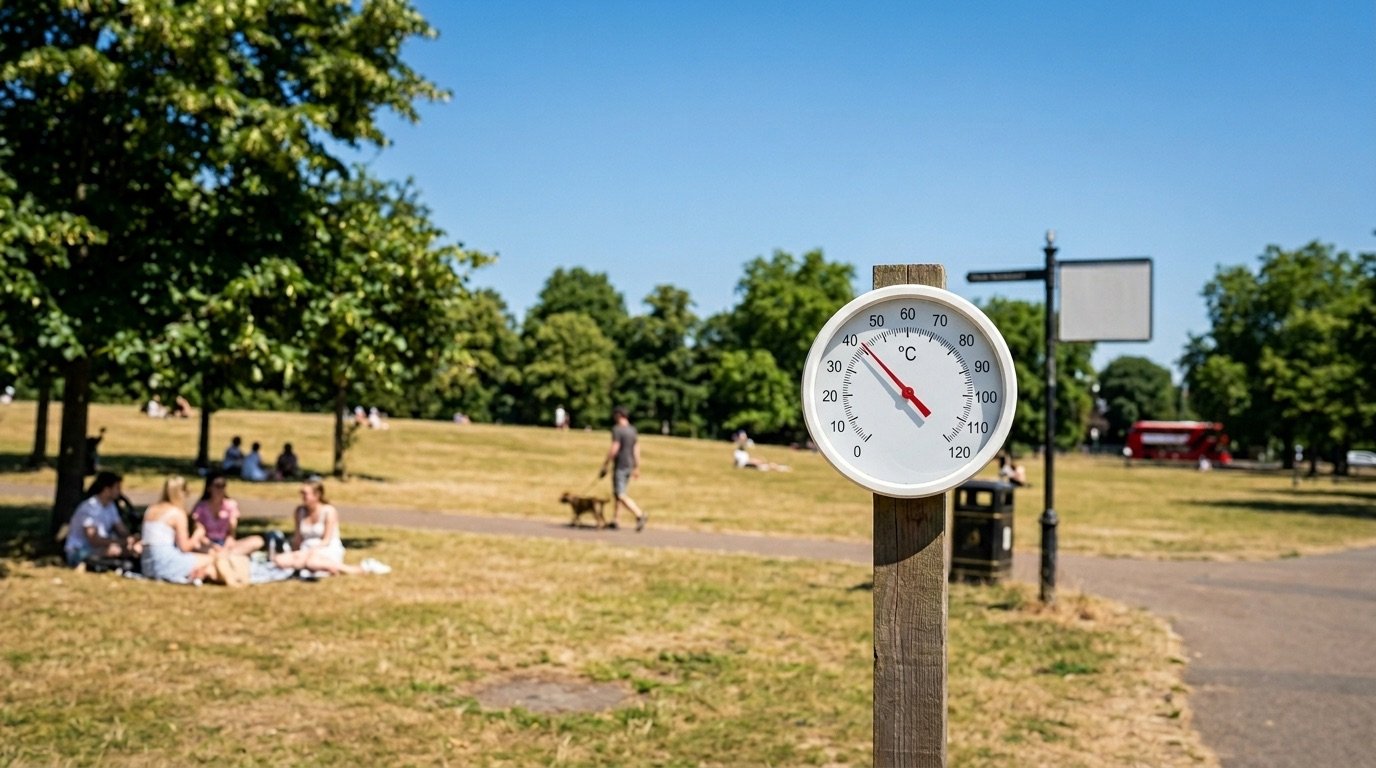
British law sets no clear maximum temperature above which it is unsafe to work. As heatwaves become more frequent and severe, that gap has drawn increasing attention. A new bill would establish a body to recommend maximum safe workplace temperatures, addressing a question that affects millions of workers.
The absence of a legal maximum has long been criticised by unions and safety campaigners. While employers have general duties to protect workers, the lack of a specific threshold leaves uncertainty about when heat becomes a hazard that requires action.
How the proposal would work
Rather than fixing a single temperature in statute, the bill proposes a body to recommend maximums, recognising that safe limits vary by the type of work. Heavy physical labour, sedentary office work and roles involving protective equipment all have different thresholds for when heat becomes dangerous.
This flexible, evidence-based approach is designed to be practical. A single number applied to all workplaces would be crude; guidance tailored to different kinds of work and adjusted as understanding improves is more likely to protect workers without being unworkable for employers.
The health risks of heat
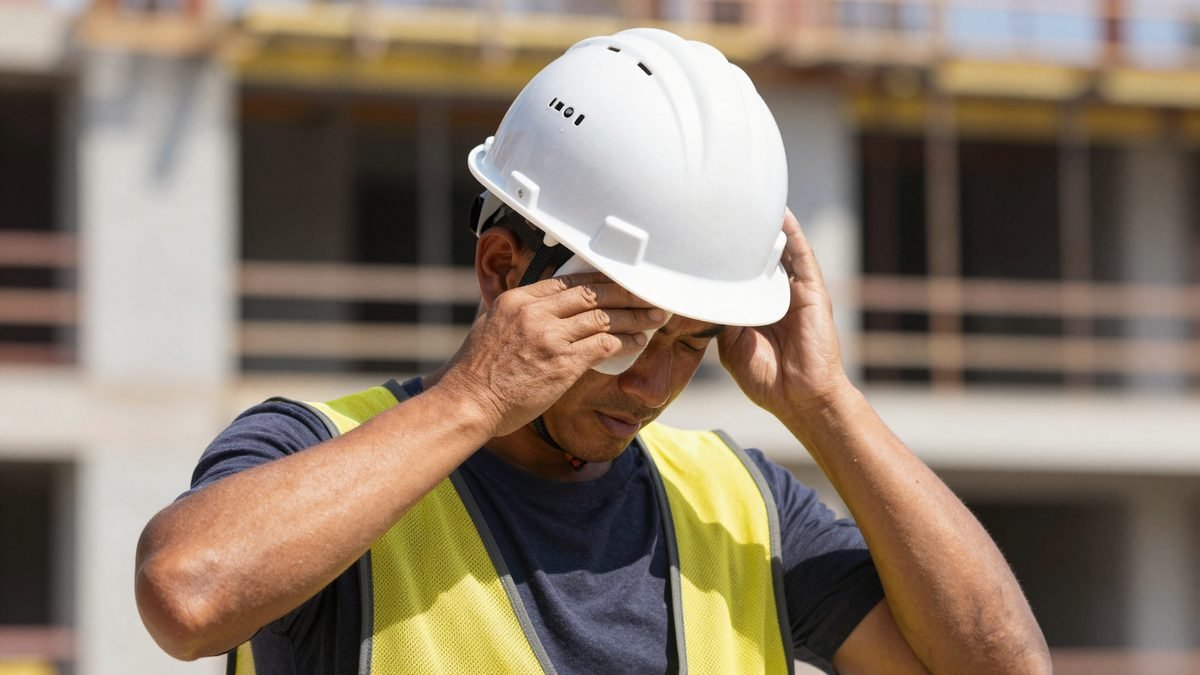
Working in excessive heat is not merely uncomfortable; it carries real health risks, from heat exhaustion and heatstroke to reduced concentration that raises the chance of accidents. Vulnerable workers, and those in physically demanding roles, are particularly at risk. As temperatures climb, so do these dangers.
There is also a productivity dimension. Beyond the human cost, heat reduces the ability to work effectively, so measures that manage temperature can benefit output as well as safety. The two goals are aligned more often than opposed.
What it would mean for employers
Employers already have duties to ensure a safe working environment, but clearer standards on heat would sharpen those obligations. Depending on the design, employers might need to adjust working hours, provide cooling or rest breaks, or relax dress codes during hot spells.
Business concerns focus on cost and practicality, particularly for sectors like construction and agriculture where work must happen outdoors. The challenge is to protect workers without making essential work impossible during hot weather, which points towards flexible measures rather than blanket shutdowns.
Adapting to a changing climate
The bill is part of a broader recognition that the UK must adapt to a changing climate, including more frequent extreme heat. Infrastructure, homes and workplaces designed for a cooler climate are increasingly tested by conditions that were once rare. Workplace heat is one facet of that wider adaptation challenge.
Adaptation is often less discussed than reducing emissions, but it is just as necessary. Measures like workplace heat standards are examples of the practical, unglamorous adjustments that living with a warmer climate will require.
Who is most at risk
The workers most exposed to extreme heat are often those in physically demanding or outdoor roles, from construction and agriculture to warehousing and transport. Many are also in lower-paid jobs with less power to demand adjustments. This gives the issue a dimension of fairness: those least able to protect themselves are frequently those most at risk from dangerous heat.
Vulnerable groups, including older workers and those with certain health conditions, face heightened risks too. A framework that recognises these differences, rather than applying a single rule to all, is more likely to protect those who need it most. The design of any heat standards must therefore account for the varied conditions and vulnerabilities across the workforce.
Practical measures that help
Managing workplace heat need not mean stopping work altogether. A range of practical measures can reduce risk: adjusting hours to avoid the hottest parts of the day, providing shade, water and rest breaks, relaxing dress codes, and improving ventilation or cooling. Sensible planning allows essential work to continue while protecting health.
The aim of clear standards is to make such measures routine rather than dependent on individual employers' goodwill. When expectations are explicit, good employers are supported and poor ones are held to account. As extreme heat becomes more common, embedding these practical adaptations into normal working life is a modest but meaningful part of adapting to a changing climate.
What to watch next
Watch whether the bill secures support and time, how any recommended thresholds are framed, and how they interact with existing health and safety law. The response of unions and business groups will indicate how contested the measure is.
How hot is too hot to work is no longer a niche question. As summers intensify, the case for clear, sensible standards grows, and this bill is an early attempt to answer a question that will only become more pressing.
Sources & verification
- UK Parliament - Maximum Workplace Temperature Bill material
- Health and Safety Executive - temperature and workplace guidance
- Trades Union Congress - workplace heat campaigns
Filed under UK News · Written by Eleanor Whitfield
You may also like to read