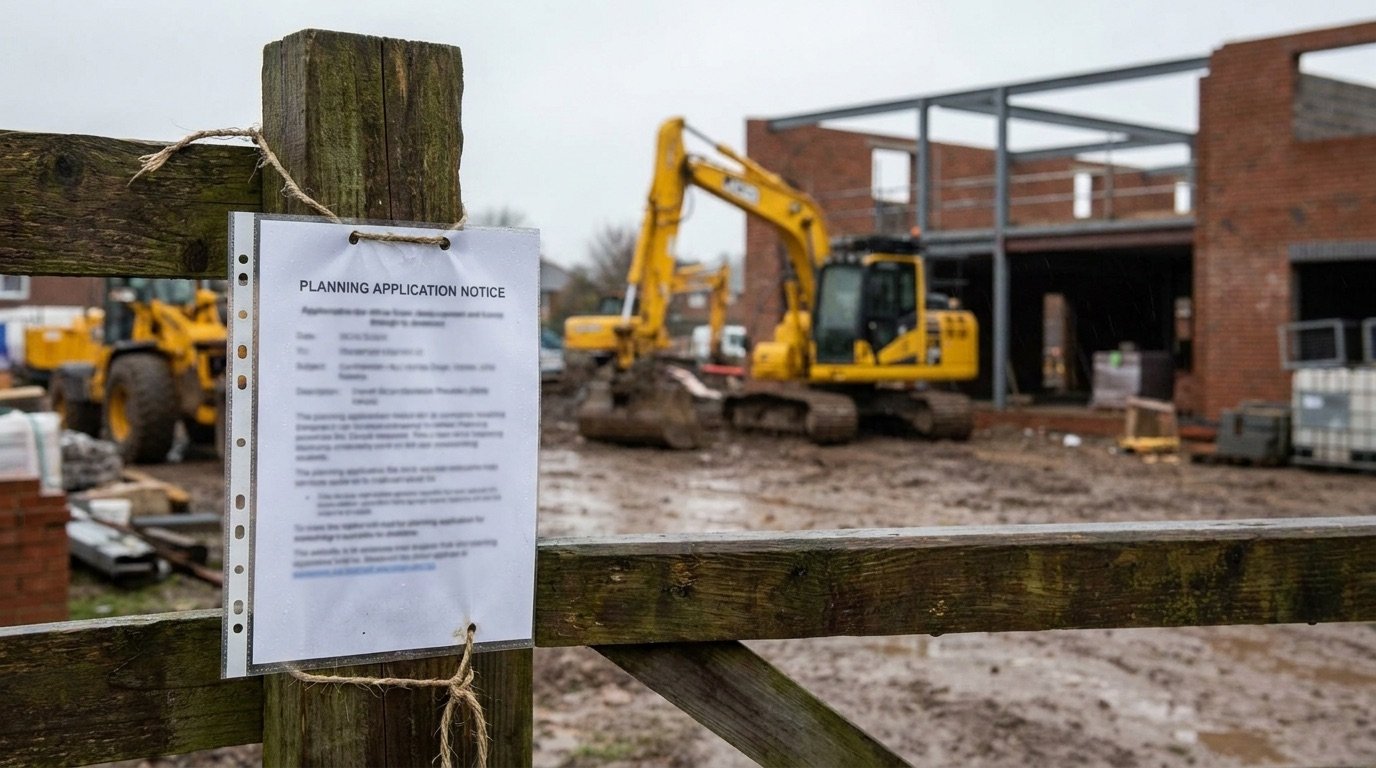
The Planning Shake-Up: What Changes to the NPPF Mean for Housebuilding
Changes to the National Planning Policy Framework aim to get more homes and infrastructure built. Here is how the planning system works and why reform is so politically charged.
UK News & Politics Editor ·
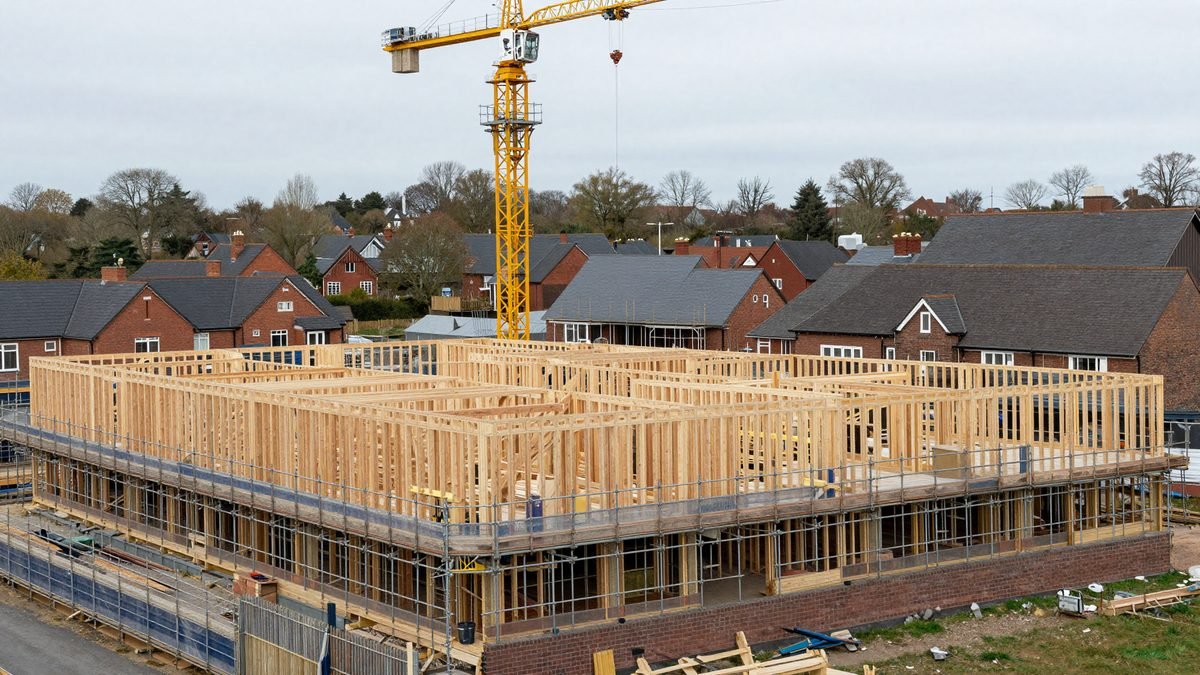
Why it's trending
Britain's housing shortage is one of its most entrenched problems, and the planning system is at the centre of the debate. Changes to national planning policy could shape how many homes are built, where, and at what cost to local control.
Planning at the heart of the housing debate
Few issues are as politically charged as planning. Britain's persistent shortage of housing, and the high costs that follow, are widely blamed in part on a planning system seen as slow, uncertain and resistant to development. Changes to the National Planning Policy Framework are the government's chief tool for addressing this.
The framework sets the rules within which local authorities make decisions. Adjusting it can shift the balance between development and preservation, between national targets and local control, which is why every revision provokes intense argument.
How the system works
In England, planning decisions are made locally, guided by local plans and national policy. The National Planning Policy Framework provides the overarching direction, and its wording shapes thousands of individual decisions on whether and where building can proceed.
Because the framework is so influential, seemingly small changes in emphasis can have large effects. A shift in how housing need is calculated, or how the presumption in favour of development is applied, ripples through the whole system.
Targets and local control
A central tension is between national housing targets and local decision-making. National government wants more homes built to address the shortage; local communities often resist development in their area. Reform typically tries to strengthen the drive for housing while managing local opposition.
This is genuinely difficult. Development that is rational in aggregate can be unwelcome in any specific place, and elected local representatives respond to local views. Designing a system that delivers national needs while respecting legitimate local concerns is the core challenge of planning reform.
The green belt and brownfield debate
Where new homes should go is as contested as how many. Building on previously developed brownfield land is widely favoured, but there is not always enough of it in the right places. That leads to arguments about the green belt and about whether some protected land should be released for development.
These debates are emotive because they touch identity and environment as well as economics. Reforms that appear to threaten cherished landscapes provoke strong reactions, while a refusal to consider any change limits the options for meeting housing need.
Infrastructure and delivery
Planning reform is not only about homes. Energy, transport and digital infrastructure also depend on a planning system that can approve major projects without interminable delay. Speeding up decisions on nationally significant infrastructure is a recurring goal, balanced against environmental protections and the right to be heard.
Even where permission is granted, homes and infrastructure do not build themselves. Delivery depends on builders, materials, labour and finance. Planning reform is necessary but not sufficient; without capacity to build, changing the rules achieves less than hoped.
The economics of the housing shortage
The consequences of Britain's housing shortage extend far beyond those seeking a home. High housing costs absorb income that would otherwise be spent or saved, constrain where people can live and work, and contribute to inequality between those who own property and those who do not. Economists increasingly identify the housing shortage as a drag on productivity and growth.
This economic dimension strengthens the case for reform but does not make it easier. The benefits of more building are diffuse and national, while the costs, in disruption and change to particular places, are concentrated and local. Overcoming this imbalance is the central political challenge of planning, and it is why reform so often stalls despite widespread agreement that more homes are needed.
Building the right homes in the right places
Numbers alone do not solve a housing crisis; the type, tenure and location of homes matter as much as the total. Affordable and social housing, homes near jobs and transport, and properties suited to local needs all shape whether new building genuinely improves lives. A framework that delivers volume without regard to these factors may fall short of its goals.
This is why debates about targets are accompanied by arguments about affordability and infrastructure. Homes built far from employment or without supporting services can create new problems even as they address a shortage. The success of planning reform depends not just on how many homes are built, but on whether they are the homes people actually need, where they need them.
What to watch next
Watch how housing need is calculated, how the framework treats the green belt, and how local plans respond. The reaction of councils, developers and environmental groups will indicate how contested the changes are.
Planning touches homes, jobs, the environment and local democracy all at once, which is why it is so hard to reform. The changes to the framework are a bet that a better-designed system can unlock building without sacrificing the things communities value.
Sources & verification
- UK Government - National Planning Policy Framework
- Local Government Association - planning reform briefings
- House of Commons Library - housing supply analysis
Filed under Politics · Written by Eleanor Whitfield