Twelve Arrested Over Alleged Far-Right Threat to a Major Muslim Gathering in Suffolk
Counter-terrorism officers have arrested 12 people over an alleged far-right threat to the UK Ijtima in Suffolk, prompting renewed concern about anti-Muslim extremism and event security.
UK News & Politics Editor ·
A large religious event ends early
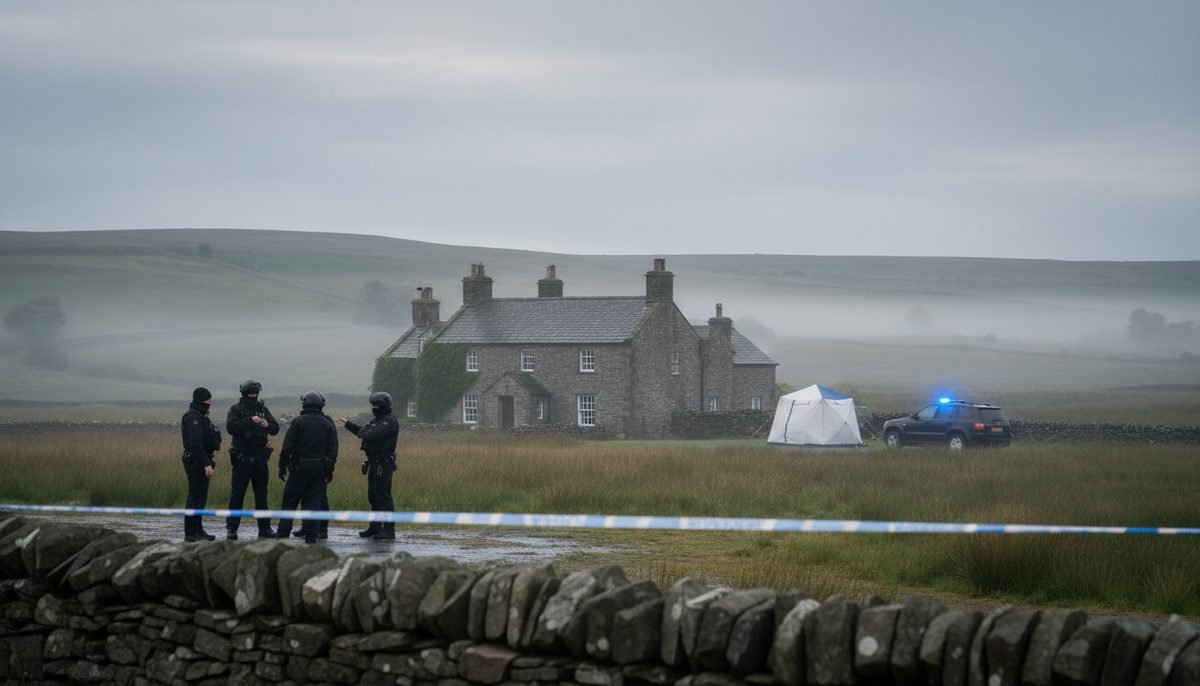
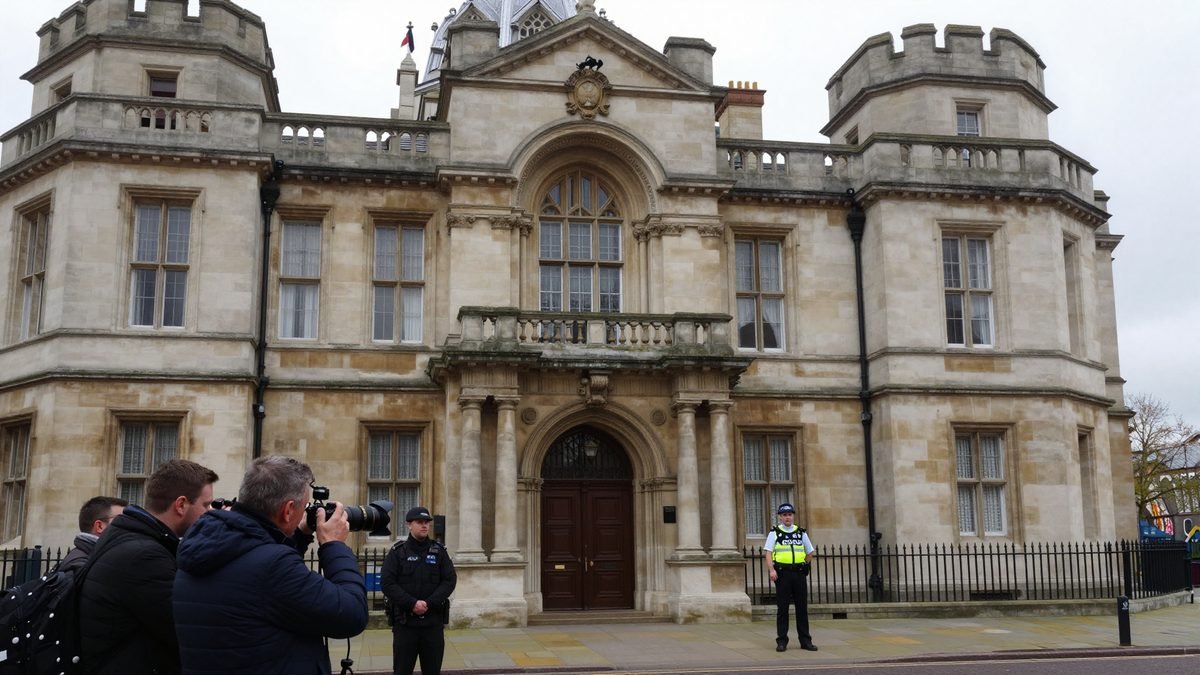
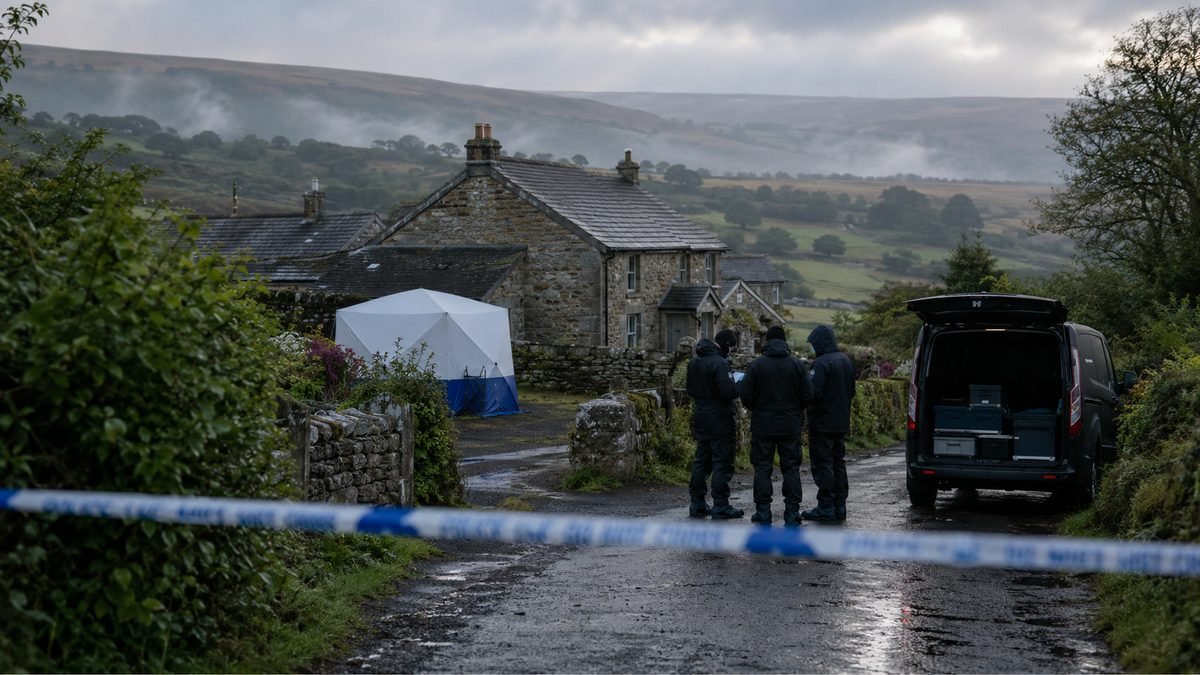
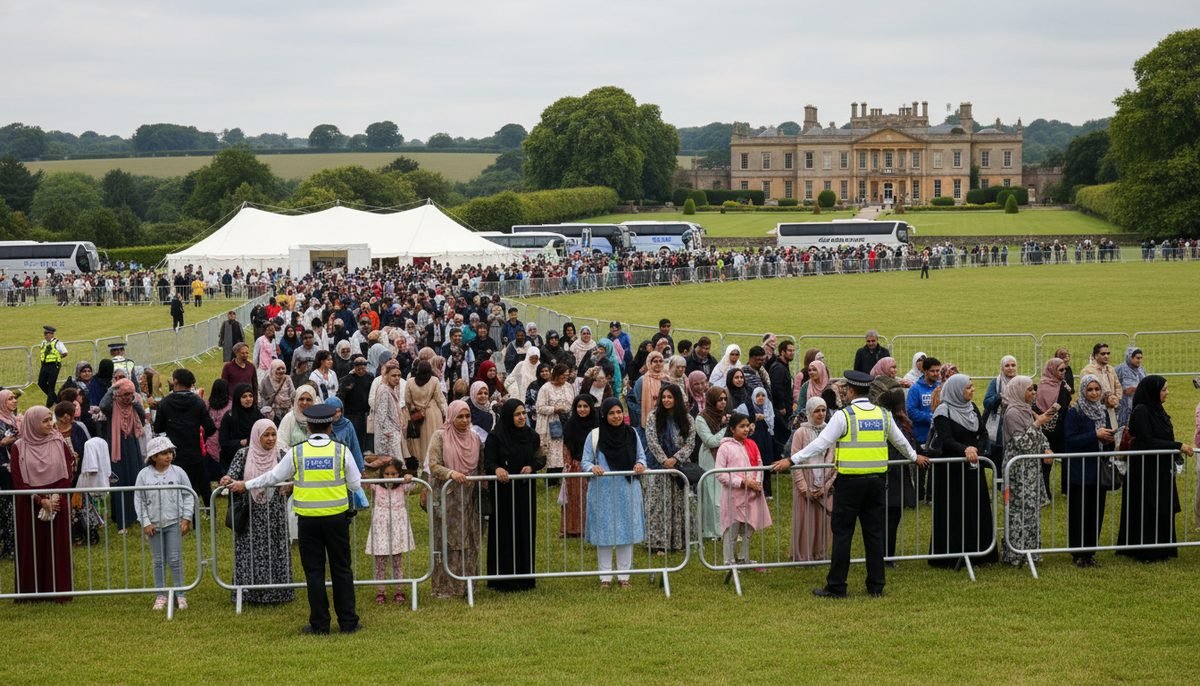
A major Muslim gathering in Suffolk ended earlier than planned after police identified an alleged threat of serious violence. Counter-terrorism officers subsequently arrested 12 people in several parts of England in connection with the suspected plot. The event, the UK Ijtima at Shrubland Hall, had attracted thousands of worshippers and families. According to reporting on 13 July 2026, the investigation concerns a suspected extreme-right-wing threat, with some initial arrests made on suspicion of conspiracy to murder and others under terrorism legislation. No charges had been announced at the time of writing, so the allegations remain subject to investigation and the criminal justice process.
What the arrests mean
The Suffolk terror arrests represent a preventive police operation rather than the aftermath of an attack. That distinction is central to understanding the story. Counter-terrorism policing is designed not only to investigate completed offences but also to disrupt plans when intelligence indicates an imminent risk. Arrests allow officers to question suspects, search premises, secure devices and protect evidence. They do not establish guilt. One suspect was reported to have been released on bail, while the remaining cases continued to be assessed. Prosecutors will eventually decide whether the available evidence meets the legal test for charges.
Why the UK Ijtima matters
An Ijtima is a large gathering focused on prayer, religious learning and community. The Suffolk event was associated with the Tablighi Jamaat movement and reportedly drew around 10,000 attendees over the weekend. Large faith events often include children, older people, volunteers, food services and temporary infrastructure, making any threat especially concerning. Ending such an event early can create practical difficulties, including transport disruption and anxiety among families. Police said their priority was public safety, while community representatives expressed gratitude that officers had intervened before violence occurred.
The rise of concern about far-right extremism
The alleged UK Ijtima threat has renewed attention on far-right extremism in Britain. Security agencies have repeatedly warned that terrorism is not confined to one ideology. Extreme-right networks can develop through small groups, online communities or individuals radicalised by conspiratorial propaganda. Anti-Muslim hatred may be intensified by disinformation, inflammatory political rhetoric and fabricated claims circulated on social platforms. The risk is not merely offensive speech. In its most serious form, ideological hatred can move towards weapons acquisition, target selection and planning for mass harm.
Community confidence after a security scare
For Muslim communities, the incident is likely to deepen concerns about safety at mosques, schools and public gatherings. The emotional impact of an alleged plot can spread far beyond those who attended. People may question whether they are safe displaying religious identity or taking children to community events. Police and government therefore have two jobs: pursue the investigation rigorously and communicate in a way that reassures the public without minimising the threat. Home Secretary Shabana Mahmood described the case as deeply concerning and urged unity against hatred and extremism. Community trust will depend on sustained engagement, not a single statement.
How event security may change
Organisers of large religious and cultural events are likely to review entry controls, vehicle access, emergency exits, stewarding, communications and liaison with local police. Protective security does not have to turn peaceful gatherings into intimidating spaces. The most effective approach is layered: trained staff, clear reporting routes, proportionate screening, crowd-management plans and rapid contact with emergency services. Organisers may also encourage volunteers to complete government-backed counter-terror awareness training. The goal is resilience rather than fear, allowing communities to gather while reducing opportunities for an attacker.
The danger of collective blame
One of the most damaging reactions to an alleged extremist plot is to assign guilt to a wider population. If investigators believe suspects were motivated by extreme-right ideology, responsibility belongs to the individuals involved and any network supported by evidence. It does not belong to an ethnic, regional or political group as a whole. Equally, the targeting of a Muslim event must not be treated as an isolated problem affecting only Muslims. An attack on freedom of worship is an attack on a basic civic right. Protecting a religious minority strengthens the safety of every community that depends on the right to meet, pray and organise without intimidation.
The role of social media and responsible reporting
The phrase far-right extremism UK attracts intense online debate, and breaking news can quickly become distorted. Old photographs, invented suspect names and false claims about weapons or motives may circulate before police release evidence. News publishers should avoid repeating anonymous speculation merely because it is popular. Confirmed reporting should state where arrests occurred, which legal suspicions have been announced and what remains unknown. It should also use precise language: an alleged plot is not a proven conspiracy, and arrested people are not convicted offenders.
What happens next
Officers will examine seized material, interview suspects and determine whether other people were involved. Investigators may seek extensions of detention where permitted, while prosecutors advise on possible offences. The event site and connected addresses may remain part of the evidence-gathering operation. Community leaders will continue discussions with police about reassurance and future security. The strongest measure of success will be whether the threat was genuinely disrupted, evidence is handled lawfully and any prosecution is fair. Until charging decisions are made, the public should expect further updates but should be cautious about claims that go beyond official information.
A wider lesson for the UK
The Suffolk case demonstrates why counter-terrorism policy must address every form of violent extremism. Muslim community safety cannot be separated from national security, because terrorism aims to frighten communities and divide society. A preventive operation that protects thousands of people is significant, but prevention also requires long-term work against hatred, radicalisation and conspiracy culture. Schools, online platforms, political leaders, police and local organisations all have a role. The investigation will determine what happened in this specific case; the broader challenge is ensuring that worshippers of every faith can gather openly and safely.
Source notes
- Financial Times, 13 July 2026
- The Guardian UK Politics Live, 13 July 2026
Filed under UK News · Written by Eleanor Whitfield