Plaid ascendant: how Labour's Welsh heartland slipped away
With Plaid Cymru now the largest party in the Senedd and Westminster Labour in turmoil, Wales has joined Scotland and Northern Ireland in nationalist hands.
Eleanor Whitfield
Writer ·

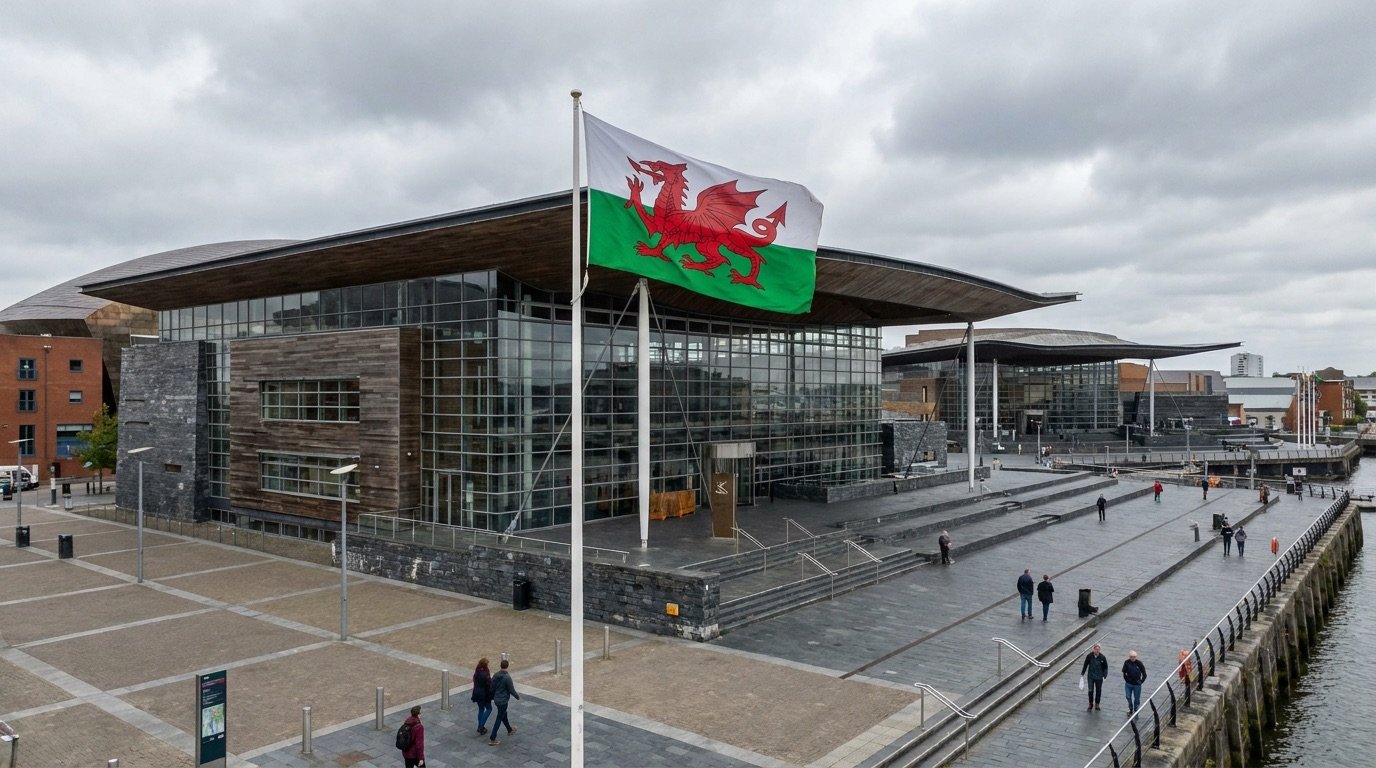
For the first time in the history of Welsh devolution, Labour is not the dominant force in Cardiff Bay. Plaid Cymru emerged from the 2026 Senedd elections as the largest party in Wales, completing a remarkable realignment that has left Sir Keir Starmer's party in retreat in a nation it once treated as its surest stronghold.
The timing could hardly be more pointed. As Westminster Labour descended into the leadership crisis that ended Sir Keir's premiership on 22 June, the party was simultaneously absorbing the loss of its Welsh heartland — a double blow that has reshaped the map of British politics.
A heartland lost
Labour has dominated Welsh politics for the better part of a century, leading every devolved administration since the Senedd's creation in 1999. The collapse of its vote in 2026 — driven by the same disillusionment evident in the national polls — handed Plaid Cymru the largest bloc of seats and a platform from which to argue for a different future for Wales.
The symbolism is profound. With Plaid leading in Wales, the SNP in Scotland and Sinn Féin in Northern Ireland, all three nations of the United Kingdom outside England are now governed or led by nationalist, pro-independence parties — a configuration without precedent in the modern union.
“Wales has spoken. The era in which Labour could take Welsh voters for granted is over, and the question of Wales's future will be asked on Plaid's terms now.”
Plaid's Westminster pressure
Plaid Cymru's influence is not confined to Cardiff. The party's Westminster leader, Liz Saville Roberts, was among those who had called publicly for Sir Keir to resign during the spring crisis, adding a Welsh voice to the rebellion building inside and outside Labour ranks.
With the Prime Minister now gone, Plaid is positioning itself as the authentic voice of a Wales that has rejected Westminster Labour, pressing the case for greater fiscal powers and a louder say over decisions taken in London.
What it means for Welsh Labour
For Welsh Labour, the result is a generational setback. The party must now rebuild from opposition in a devolved chamber it long controlled, while contending with a UK leadership contest that has consumed the attention and authority of the wider movement.
Some in the party privately argue that the Cardiff defeat and the Westminster crisis share a single root cause — a failure to renew Labour's offer to working-class and small-town communities that drifted first towards abstention and then towards rival parties. Whether the next UK leader can address that drift, in Wales as much as in England, may determine how quickly Welsh Labour can recover.
- Plaid Cymru is now the largest party in the Senedd
- Labour's Welsh vote collapsed in the 2026 elections
- All three nations outside England are now nationalist-led
- Plaid's Liz Saville Roberts had called for Starmer to resign
- Welsh Labour faces rebuilding from opposition for the first time in the devolution era
Background
The Senedd was reformed ahead of the 2026 elections, expanding in size and moving to a more proportional voting system — changes that lowered the barrier to a multi-party Welsh politics and helped erode Labour's long-standing dominance.
Plaid Cymru has campaigned for Welsh independence and enhanced devolution for decades, but had never before emerged as the largest party in a national Welsh election, making 2026 a genuine watershed.
What happens next: attention turns to how Plaid governs and whether it can convert its breakthrough into a durable realignment, while Welsh Labour's recovery is now tied to whoever succeeds Sir Keir at UK level.
Sources: reporting by NPR.
The NE Times is an independent news and analysis publisher. Our articles combine factual reporting with clearly-written, impartial analysis. Content is for general information and does not constitute professional advice. Disclaimer.
You may also like to read

First non-Labour First Minister settles in as Plaid governs Wales alone
Rhun ap Iorwerth's minority administration faces the challenge of passing its programme in a transformed and crowded Senedd.
Rhun ap Iorwerth's minority Wales: Plaid Cymru governs after ending Labour's century of dominance
For the first time since devolution began, Wales is governed by a party other than Labour. Rhun ap Iorwerth leads a Plaid Cymru minority administration that must now turn campaign promises on speed limits, the M4 and the NHS into deliverable policy without a majority.
Welsh Labour's reckoning: interim leader Skates steers a shrunken party towards a winter contest
After Eluned Morgan became the first sitting head of a UK government to lose her own seat, Welsh Labour is regrouping with Ken Skates as interim leader and a full leadership election pencilled in for the autumn, with the winner inheriting opposition rather than office.

Green Man's refugee training scheme shows what a festival can do beyond the stage
The Welsh festival's decade-old programme has trained 191 refugees from 52 countries, turning a music event into practical civic infrastructure.