
Plaid ascendant: how Labour's Welsh heartland slipped away
With Plaid Cymru now the largest party in the Senedd and Westminster Labour in turmoil, Wales has joined Scotland and Northern Ireland in nationalist hands.
Eleanor Whitfield 6 min read
Devolution coverage here follows power shifting away from Westminster in several directions at once. In Wales, the page tracks Plaid Cymru ending Labour's century of dominance and Rhun ap Iorwerth governing alone as the first non-Labour First Minister settles in. Scottish stories follow Swinney's SNP returning to power with minority maths forcing an independence reckoning, while surveys find Northern Ireland's voters want Stormont fixed rather than felled. In England, new strategic authorities are taking shape and the confirmed Surrey split signals the end of the two-tier council.
With Plaid Cymru now the largest party in the Senedd and Westminster Labour in turmoil, Wales has joined Scotland and Northern Ireland in nationalist hands.
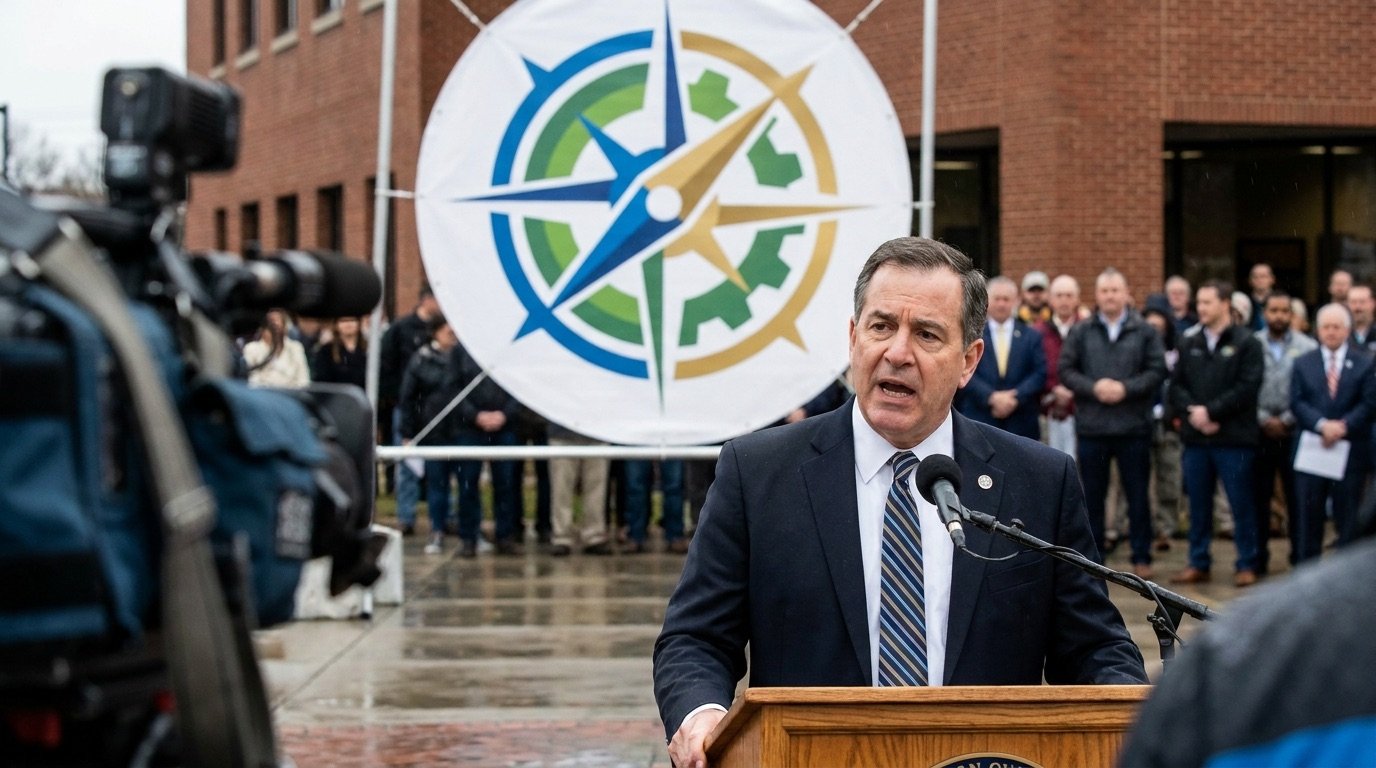
With the English Devolution and Community Empowerment Act now on the statute book, ministers are pressing ahead with a wave of new mayors and strategic authorities handed powers over housing, transport and skills.

John Swinney begins a fifth consecutive SNP term at Holyrood after the May election, but with no majority and Reform UK newly installed at parliament, the First Minister's pledge to force a Section 30 confrontation with Westminster is testing his slender authority.
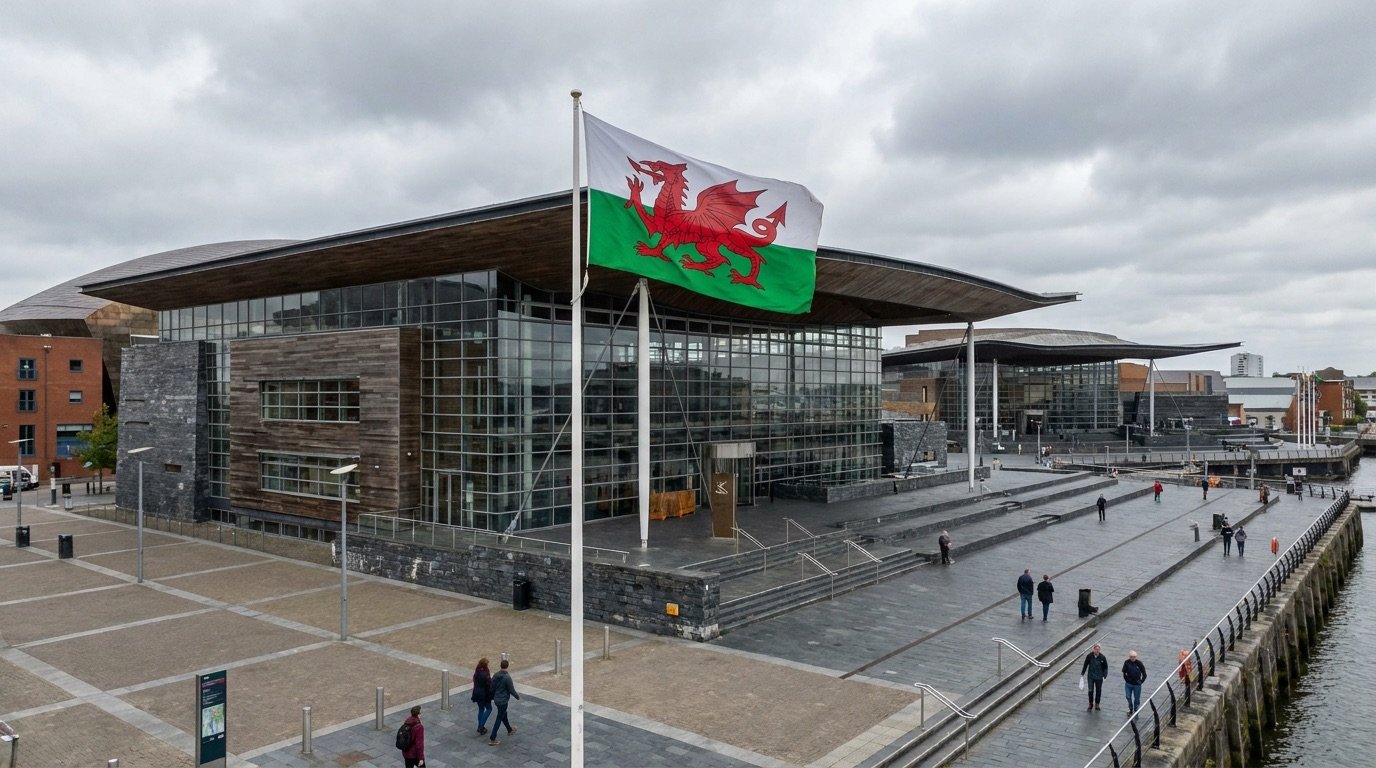
For the first time since devolution began, Wales is governed by a party other than Labour. Rhun ap Iorwerth leads a Plaid Cymru minority administration that must now turn campaign promises on speed limits, the M4 and the NHS into deliverable policy without a majority.

Rhun ap Iorwerth's minority administration faces the challenge of passing its programme in a transformed and crowded Senedd.
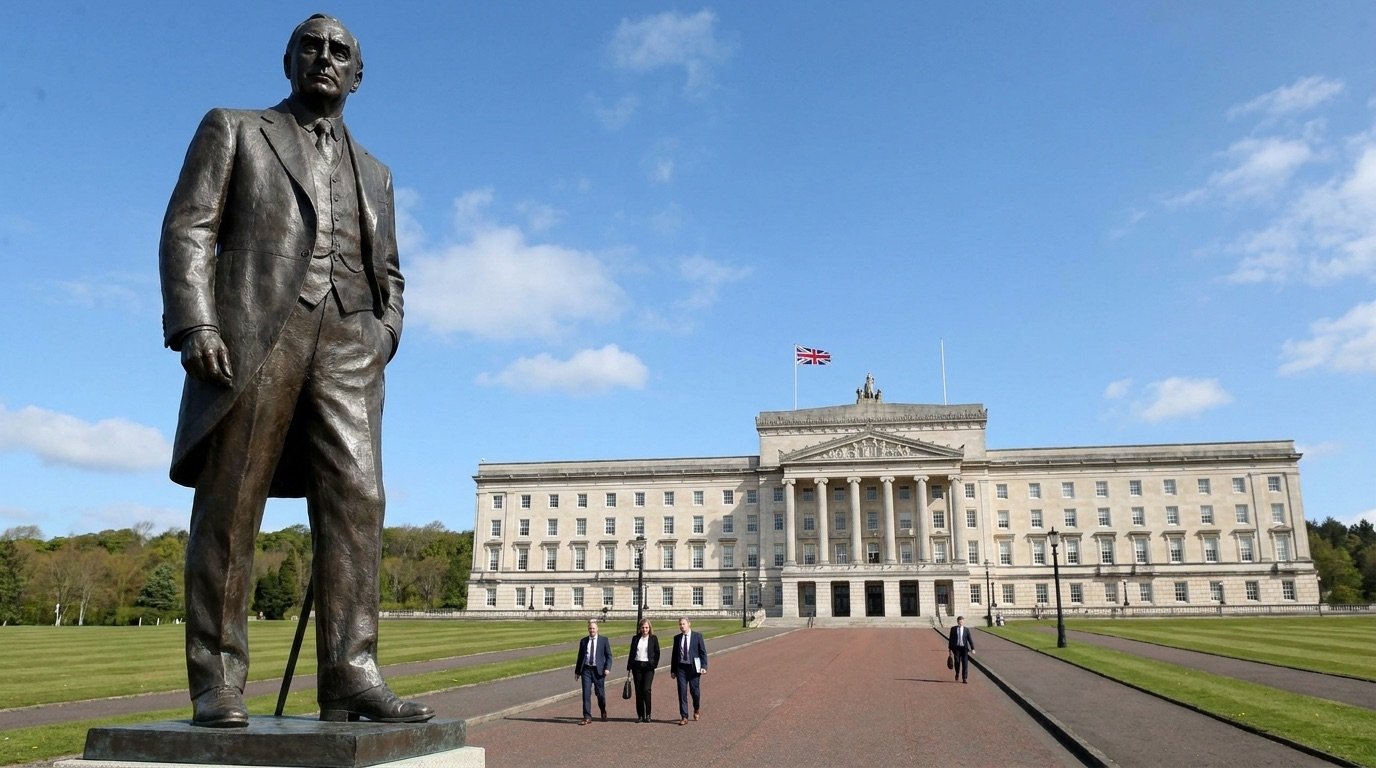
A major academic survey for the Sunday Times has found broad cross-community support for keeping Northern Ireland's power-sharing institutions, alongside an appetite for reform that would stop any single party collapsing them, and a striking gap between public and political priorities.

Ministers have signed the order abolishing Surrey's county and district councils and creating two new unitary authorities, the first concrete step in a sweeping reorganisation that will redraw the map of local government across England.