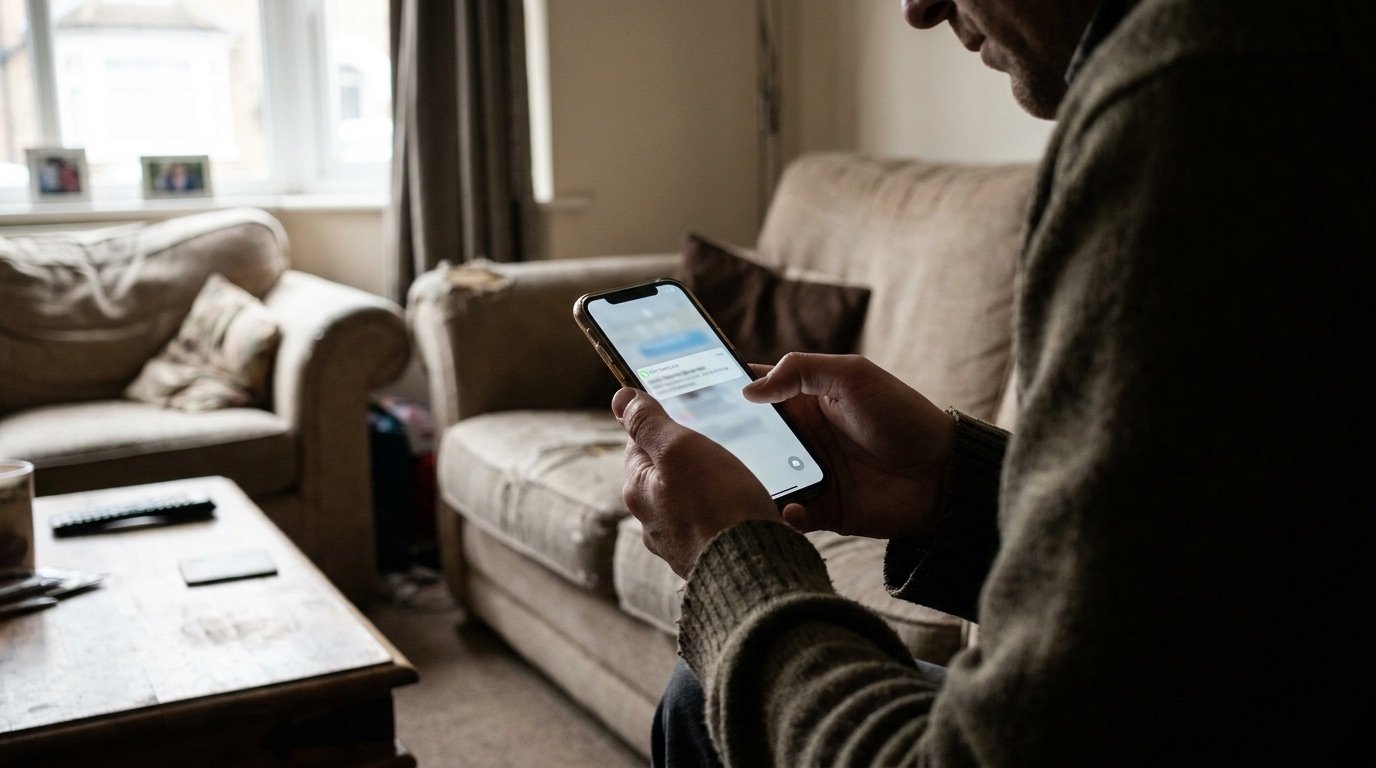
Buy Now, Pay Later Regulation Begins in the UK: What Changes for Shoppers Today
UK buy now, pay later products enter FCA regulation on 15 July 2026. Learn about affordability checks, complaints, refunds and consumer protections.
Business & Technology Editor ·
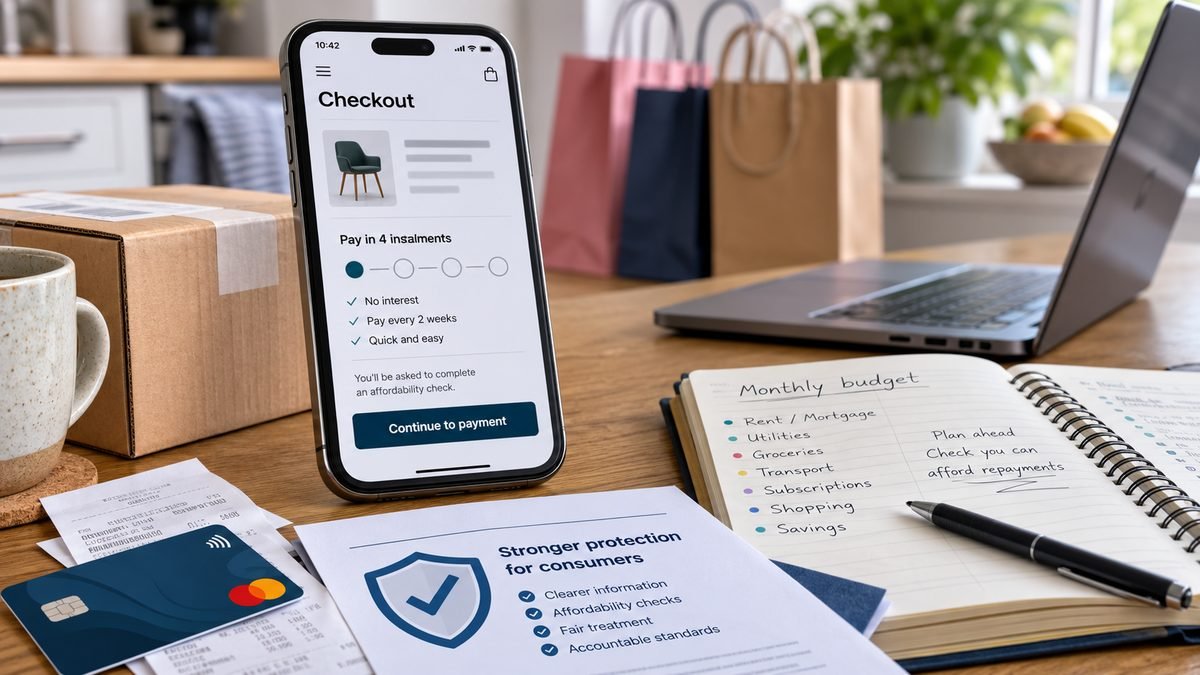
Why it's trending
The start of FCA regulation makes buy now, pay later one of today's highest-interest personal-finance stories, especially for users of checkout credit during a period of household budget pressure.
A major change at the online checkout
Buy now, pay later credit enters a new regulatory era in the UK on 15 July 2026. The products, commonly offered at online and physical checkouts, allow a shopper to receive goods immediately and split payment into several instalments, often without interest if payments are made on time. Their speed and simplicity made them popular, but the same frictionless design raised concern that consumers could accumulate several debts without seeing the total cost or receiving the protections attached to conventional credit.
From today, firms providing regulated deferred-payment credit must operate within the Financial Conduct Authority's framework. That brings clearer information, stronger checks on whether borrowing is affordable, rules on fair treatment when customers struggle, access to formal complaints procedures and oversight by an independent regulator. The transition does not mean every instalment arrangement is identical, so consumers should still read the product terms.
Affordability checks and clearer information
A central reform is the requirement for lenders to assess whether a customer can repay without causing financial harm. An affordability check is not necessarily the same as a full mortgage-style application, and the FCA expects checks to be proportionate to the amount, term and risk. A small purchase split into three payments may be assessed differently from repeated or higher-value borrowing. The objective is to prevent credit being approved solely because a transaction can be completed in seconds.
Consumers should receive information that makes the nature of the agreement clear before they commit. That includes payment dates, consequences of missed instalments, how returns are handled and whether the agreement can affect a credit file. Marketing must be fair, clear and not misleading. Promotions should not present borrowing as a lifestyle benefit while obscuring the fact that it is a debt obligation.
The new regime may add a little friction to checkout. Some customers could be declined, asked for more information or offered a lower limit. That can feel inconvenient, but a responsible credit market cannot treat universal approval as the measure of success.
Complaints, refunds and Section 75-style protection
Regulation gives eligible customers a clearer route when something goes wrong. They can first complain to the provider and, if the issue is not resolved within the required process, may be able to take the complaint to the Financial Ombudsman Service. The ombudsman can review whether the firm acted fairly and can order redress where appropriate.
New legal protections may also help in disputes involving faulty goods, misrepresentation or a retailer that collapses before delivering. The precise protection depends on the type and value of the agreement, and shoppers should not assume every purchase automatically qualifies in exactly the same way as a credit-card transaction. FCA and provider information should be checked for the particular contract.
Returns remain a common source of confusion. Sending an item back to a retailer does not always pause instalments immediately because the lender may not receive confirmation at once. Customers should follow both the retailer's return process and the BNPL provider's instructions, retain proof of postage and monitor the account until the refund is shown.
Who may lose access
The government and FCA expect the rules to protect millions of users, but industry estimates suggest two to three million people could find it harder to use BNPL once affordability standards are applied. Some will be customers whose income is irregular or whose credit record provides limited information rather than people who are certain to default. Consumer groups therefore want firms to avoid crude automated decisions and to offer accessible ways to correct errors.
Exclusion is a genuine policy trade-off. Credit can help spread an unavoidable cost, but access that ignores ability to repay can deepen hardship. A customer juggling several instalment plans may not experience any problem until payment dates cluster around rent, energy bills or a reduction in income. Regulation is intended to identify that risk earlier, even when it reduces immediate sales for retailers and lenders.
People who are declined should avoid applying repeatedly across multiple providers in a short period. They can review their credit files for mistakes, assess whether the purchase can wait and seek free debt advice if existing payments are already difficult. A decline is not proof of financial failure; it may be a signal that another obligation would create too much strain.
How retailers and lenders are affected
BNPL providers now face authorisation, supervision, reporting and conduct obligations comparable with other regulated credit firms. They need systems that test affordability, support vulnerable customers, manage complaints and communicate arrears fairly. Firms that were operating under temporary arrangements must meet the conditions of the new regime or stop offering regulated products.
Retailers also have responsibilities, particularly when they promote finance. A checkout message such as 'only £20 today' can shape a decision, so the full repayment commitment must not be hidden. Retail staff and online interfaces may need updated wording, and commercial partnerships will be scrutinised for incentives that encourage unsuitable borrowing.
The rules could reshape the market. Large providers may be better able to absorb compliance costs, while smaller firms could withdraw or consolidate. Competition remains important, but it should be based on price, service and responsible innovation rather than on avoiding consumer safeguards.
A practical checklist for shoppers
Before choosing BNPL, a shopper should total all instalments already due, check the dates against income and essential bills, and confirm what happens if an item is returned. It is sensible to use one provider or a written payment calendar rather than relying on several app reminders. Automatic payments can prevent accidental lateness, but the bank account must contain enough money to avoid overdraft charges or failed essential payments.
BNPL is still credit even when the advertised interest rate is zero. Missing payments may lead to account restrictions, collections activity and damage to a credit record, depending on the agreement. Using it for routine groceries, rent-related costs or to repay another debt can be a warning that income is not covering essentials.
The new rules improve the safety net but do not make borrowing risk-free. Consumers gain stronger rights, clearer routes to complain and greater confidence that lenders must consider affordability. The best protection remains understanding the full commitment before pressing the checkout button. Anyone facing persistent debt should contact a free, independent advice service rather than paying a company that promises a quick credit repair. This article is general information, not personal financial advice.
Sources & verification
- Financial Conduct Authority - Regulating buy now, pay later
- Financial Conduct Authority - Consumer guide to buy now, pay later
- GOV.UK - New protections for buy now, pay later shoppers
- The Guardian - What the new BNPL protections mean
Filed under Business · Written by Rajan Mehta