Westminster reacts: Farage demands election as rivals circle after Starmer quits
Reform UK called immediately for a general election and the Conservatives went on the attack, while Labour figures lined up behind the frontrunner to succeed the departing Prime Minister.
Eleanor Whitfield
Writer ·
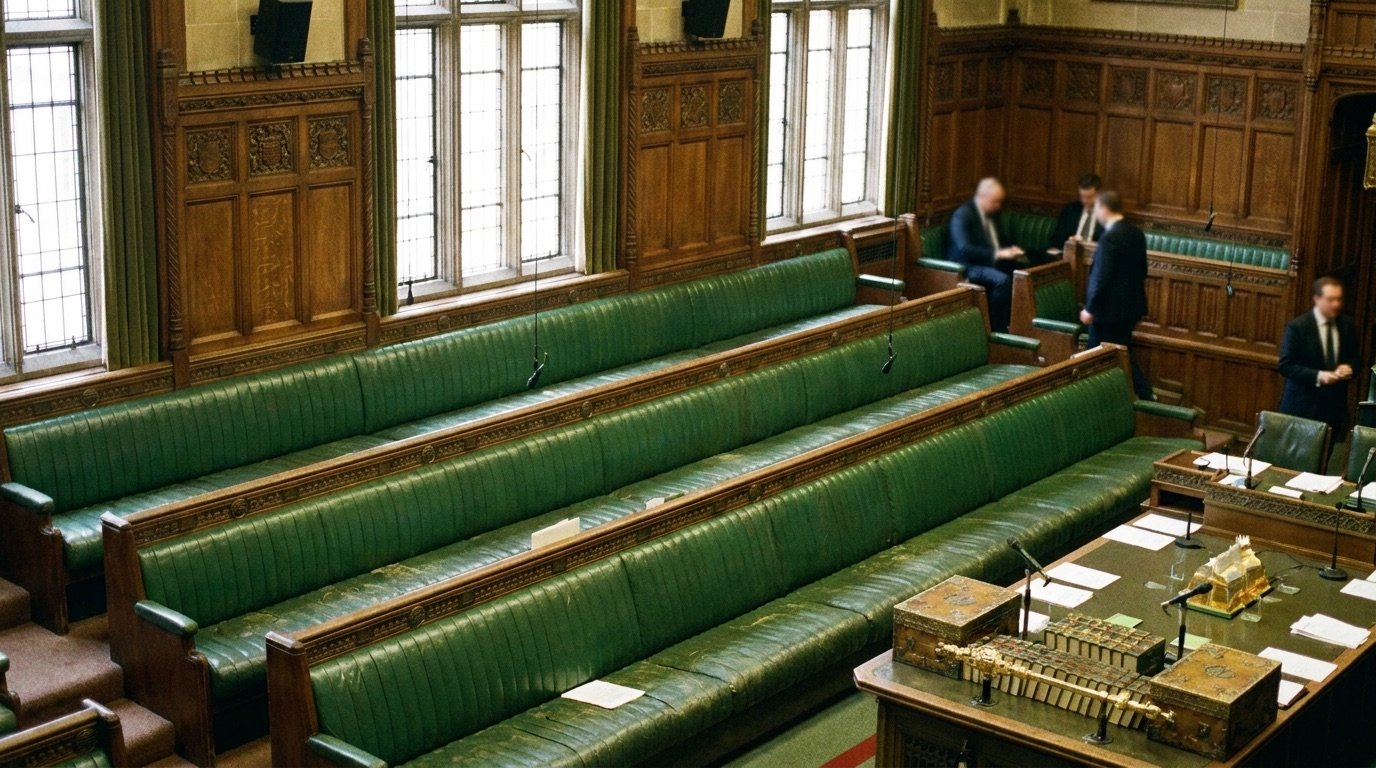
Sir Keir Starmer's resignation set off an immediate scramble across Westminster, with opposition parties seizing on the upheaval and Labour figures moving quickly to coalesce around a successor. Within minutes of the announcement, the central dividing line had emerged: whether the change at the top of government should be settled by Labour members alone or put to the country in a general election.
For a political class that has watched prime ministers come and go with unusual frequency, the day brought a familiar mixture of opportunism, calculation and barely concealed ambition.
Reform UK and the Conservatives
Nigel Farage, whose Reform UK has led national polls, wasted no time in demanding a general election, arguing that a new prime minister installed by Labour members alone would lack a mandate from voters. He was also pointedly sceptical about the frontrunner to succeed Sir Keir, suggesting the early signs were not encouraging.
The Conservative leader, Kemi Badenoch, struck a different note. She insisted that "Britain is not ungovernable" and that the problem ran deeper than one leader, arguing that Labour's values were the real issue and that the country needed a Conservative alternative rather than simply a change of Labour face.
“A new prime minister chosen by a handful of Labour members has no mandate. The country deserves a say. Reform demands a general election.”
Labour rallies round Burnham
Within Labour, the reaction was strikingly coordinated. Andy Burnham, fresh from his Makerfield by-election win, confirmed shortly after Sir Keir spoke that he would seek to replace him. Several senior figures moved swiftly to clear his path: the former health secretary Wes Streeting was reported to be backing Burnham rather than standing himself, and the former deputy prime minister Angela Rayner signalled her support.
That early consolidation around a single candidate suggested the rebels who had pushed for Sir Keir's departure had a clear plan for what came next, and were determined to avoid a drawn-out and divisive contest that might expose Labour's internal fractures.
- Nigel Farage called immediately for a general election and questioned the frontrunner.
- Kemi Badenoch said Britain is 'not ungovernable' but attacked Labour's record.
- Andy Burnham confirmed he would seek to succeed Sir Keir.
- Wes Streeting was reported to be backing Burnham rather than standing.
- Angela Rayner signalled her support for Burnham.
Background
Calls for a fresh election after a mid-term change of prime minister are a recurring feature of recent British politics; opposition parties made similar demands when the Conservatives changed leader without going to the country. Under the UK system, however, there is no constitutional requirement for an election when a prime minister is replaced by their own party, a point Labour figures stressed in response to Reform's demands.
What happens next is that the rival reactions harden into the battle lines of the months ahead. Reform will press its case for an election, the Conservatives will seek to define the new Labour leader before they have settled in, and Labour will try to use a swift, orderly succession to seize back the initiative.
Sources: reporting by The Yorkshire Post.
The NE Times is an independent news and analysis publisher. Our articles combine factual reporting with clearly-written, impartial analysis. Content is for general information and does not constitute professional advice. Disclaimer.
You may also like to read

Farage seizes the moment: Reform UK demands a snap election and sets its sights on Burnham
With Reform UK leading the polls, Nigel Farage claimed to have 'deposed' Sir Keir Starmer and declared he is not frightened of Andy Burnham or any Labour successor.

Reform stretches lead to nine points as Labour's polling collapse deepens
With Sir Keir Starmer gone, the latest voting-intention figures put Nigel Farage's Reform UK on 27%, almost ten points clear of a Labour Party that has shed roughly a third of its 2024 support.

Reform UK extends polling lead as Labour and Conservatives trail
An Opinium survey put Nigel Farage's party on 29 per cent, well ahead of Labour and the Conservatives, underlining the fragmentation of British politics.
From landslide to lectern: what finally forced Starmer out
A historic election win curdled into open revolt as the local election rout, the rise of Reform UK and slumping approval ratings combined to end the Prime Minister's tenure.