Starmer prepares under-16s social media ban as tech firms given ultimatum
The Prime Minister is poised to restrict social media access for under-16s within days, warning technology companies to act on harmful content or face legislation.
Eleanor Whitfield
Writer ·

Sir Keir Starmer is expected to announce a ban on under-16s using social media within days, hardening his stance after parents responded overwhelmingly in favour during a government consultation. The move would bring the UK closer to the approach adopted by Australia, which introduced a similar measure in late 2025, and would mark one of the most significant interventions in the relationship between young people and technology yet attempted by a British government.
Rather than legislating immediately, the Prime Minister has issued technology companies an ultimatum, demanding they roll out tools to detect and block harmful material on phones and tablets or face statutory rules imposed by the government. The approach reflects a calculation that the threat of regulation may prompt faster action from the industry than a drawn-out legislative process.
The debate over children's access to social media has intensified in recent years, driven by concerns about mental health, exposure to harmful content and the addictive design of many platforms. Campaigners, parents and clinicians have increasingly argued that the current system places too much responsibility on families and too little on the companies whose products shape so much of young people's lives.
Two options on the table
Technology Secretary Liz Kendall has said ministers are weighing two broad approaches: a blanket ban on under-16s accessing social media, or restrictions targeting specific features of apps and platforms. Kendall told broadcasters that nine in ten parents who took part in the consultation backed tighter controls, a figure ministers have cited as evidence of strong public appetite for action.
A blanket ban would be simpler to communicate but harder to enforce, raising difficult questions about age verification and the risk of driving young people towards workarounds. A more targeted approach, focused on features such as algorithmic recommendation feeds, infinite scrolling and direct messaging, might be more proportionate but also more complex to define and police.
The proposed restrictions would apply to devices sold in the UK and cover operating systems such as iOS and Android, with adult-verified devices unaffected. The plans were unveiled alongside an artificial intelligence training scheme aimed at hundreds of thousands of pupils in disadvantaged schools, part of a wider effort to balance protection from online harms with the opportunities of new technology.
“Tech should adapt to the needs of society, not the other way around. The pace of change cannot be an excuse for harm.”
— Sir Keir Starmer, Prime Minister
The enforcement challenge
Any restriction on under-16s raises the thorny question of how age is verified online. Critics of age-verification schemes warn that they can be intrusive, may require the collection of sensitive personal data, and are often circumvented by determined users. Supporters counter that the technology has improved and that device-level controls offer a more practical route than relying on individual platforms to police their users.
By placing responsibility on operating systems and devices rather than only on individual apps, the government appears to be seeking a mechanism that is harder to evade. Yet the approach will depend heavily on the cooperation of a small number of powerful technology companies, whose response will shape whether the policy succeeds in practice or becomes mired in disputes over implementation.
- An announcement on restricting social media for under-16s is expected within days
- Ministers are weighing a blanket ban or targeted feature restrictions
- Around nine in ten parents in the consultation backed tighter controls
- Rules would cover devices sold in the UK and major operating systems
- The plans were unveiled alongside an AI training scheme for disadvantaged schools
International context and debate
The UK is not acting in isolation. Australia's move to restrict social media for under-16s drew global attention and prompted other governments to examine whether similar measures could work in their own jurisdictions. The British proposals will be watched closely as a test of whether such restrictions can be implemented effectively in a large, digitally connected economy.
England's Children's Commissioner, Rachel de Souza, has urged ministers to extend any protections to 16 and 17-year-olds, arguing that older teenagers deserve equal safeguarding. Others caution against an overly restrictive approach, warning that social media also offers young people connection, community and access to information, and that blunt bans risk unintended consequences.
“Protecting children online is essential, but the design of any restriction matters enormously to whether it works.”
— An online safety researcher
What happens next
An announcement is anticipated before the Makerfield by-election later in June, giving the policy an additional political dimension at a sensitive moment for the government. For Sir Keir, the measure offers a chance to demonstrate decisive action on an issue with broad public support, even as he faces pressure on other fronts.
The substance of the policy, and the response of the technology industry, will determine whether the announcement marks a genuine turning point or the opening of a long negotiation. Much will hinge on the detail: how age is verified, which features are restricted, and how firmly the government is prepared to legislate if companies fall short of what is demanded of them.
Sources: reporting by The National.
The NE Times is an independent news and analysis publisher. Our articles combine factual reporting with clearly-written, impartial analysis. Content is for general information and does not constitute professional advice. Disclaimer.
You may also like to read
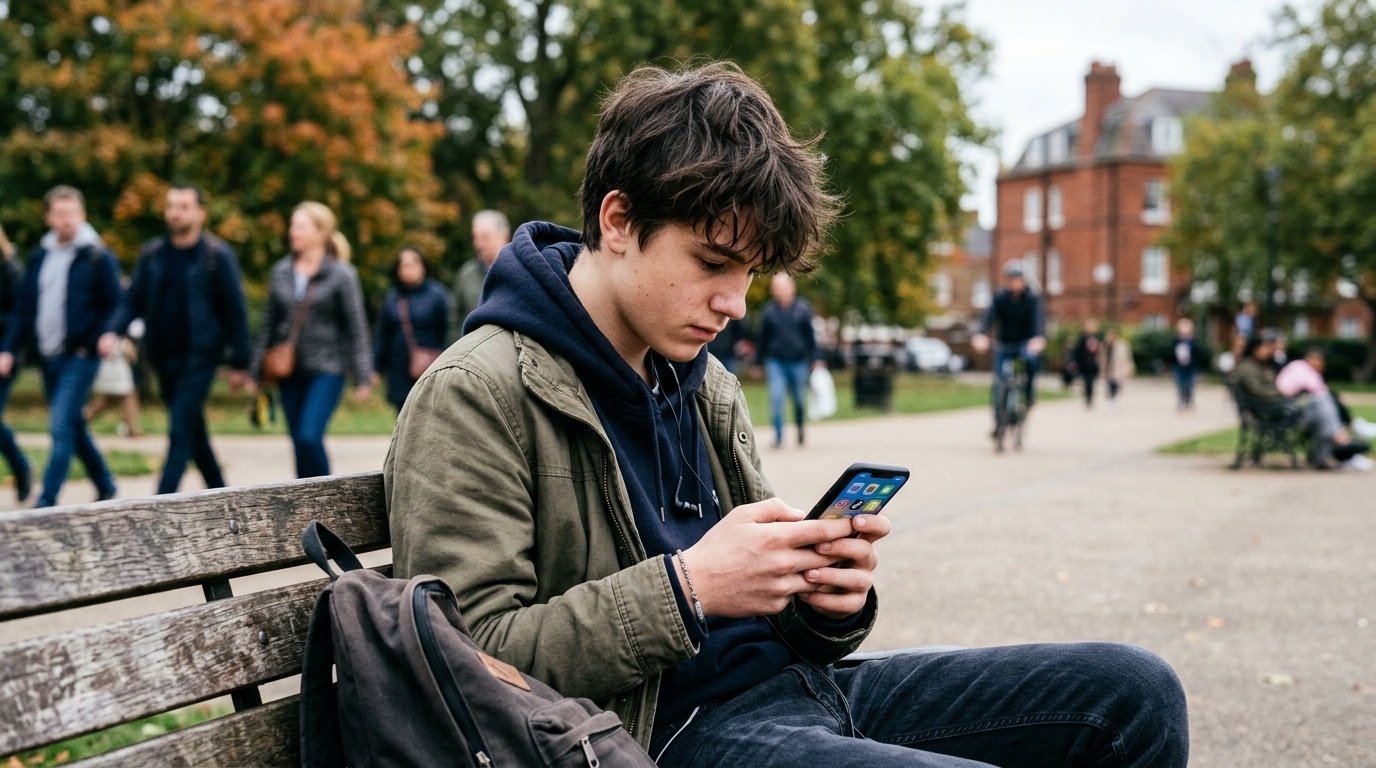
Government unveils sweeping ban on social media for under-16s
Snapchat, TikTok, Instagram and X will be off-limits to children under 16 under plans the prime minister says will give young people their childhood back.
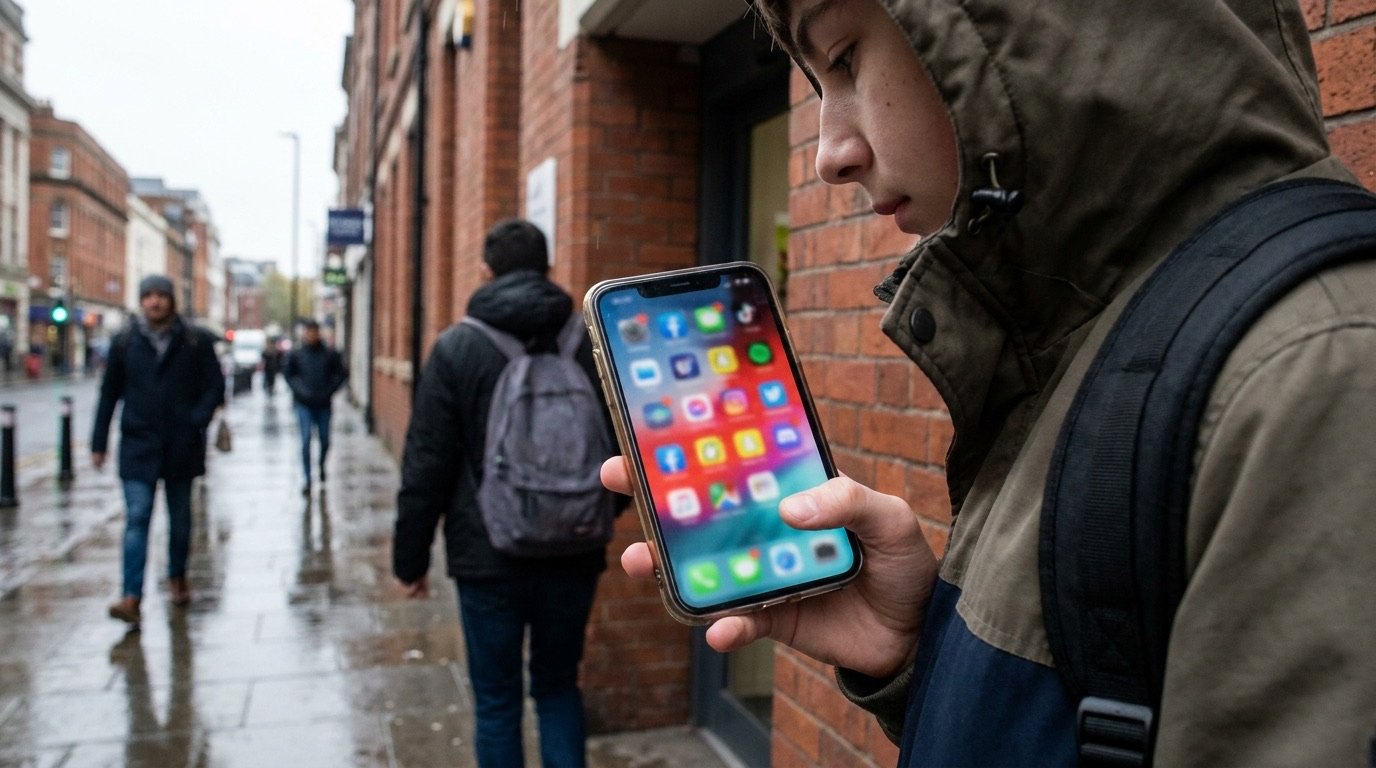
Opinion: A social media ban for under-16s is the easy part. Enforcing it honestly is the test
Banning under-16s from TikTok, Instagram and YouTube answers a real public anxiety, but a law the government cannot enforce risks becoming a comforting fiction that lets the platforms off the hook.
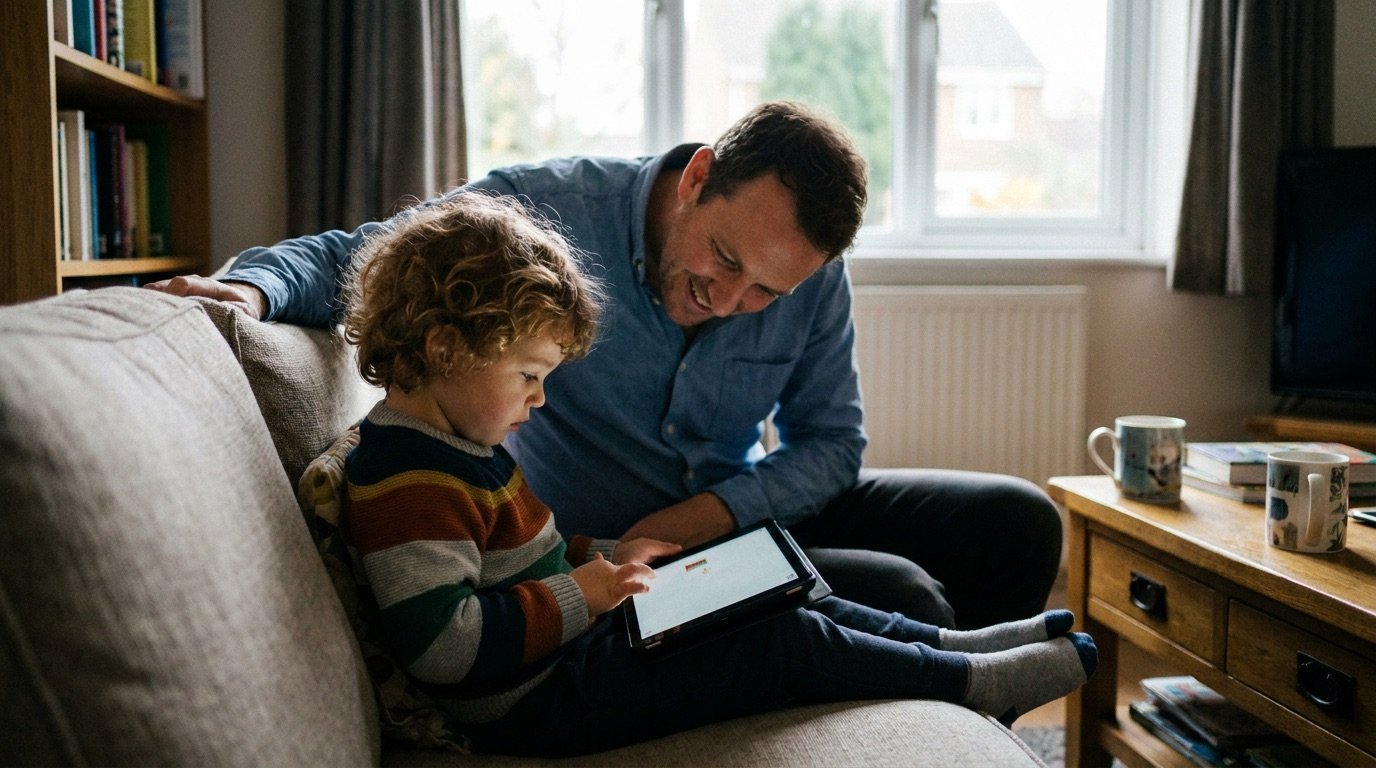
Parents back tougher screen rules as children embrace AI, polling shows
New government polling reveals strong public support for limits on young children's screen time and a possible social media ban for under-16s, even as surveys find a majority of children already using AI every day.
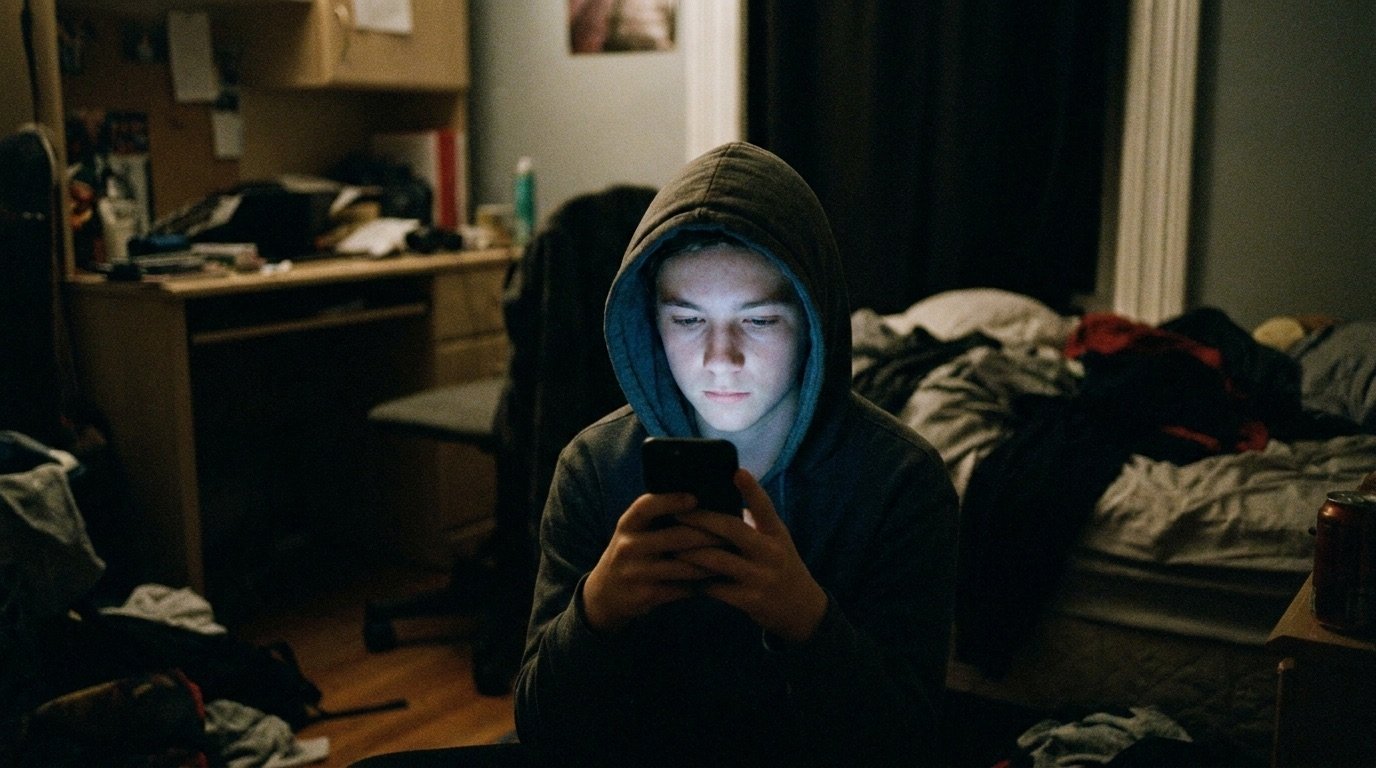
Opinion: A ban on social media for under-16s sounds decisive. The hard part comes after the announcement
The government is edging towards age restrictions on social media while resisting an outright phone ban. The instinct is right, but the enforcement is where this will be won or lost.