Labour leadership crisis deepens as ministers turn on Starmer
Wes Streeting's resignation has become the focal point of a widening revolt, with dozens of MPs urging the Prime Minister to set a departure date.
Eleanor Whitfield
Writer ·

Sir Keir Starmer is battling the most serious internal rebellion of his premiership after Wes Streeting quit as Health Secretary, saying he had lost confidence in the Prime Minister's leadership. The resignation of such a senior and prominent figure has crystallised months of simmering discontent into an open challenge to Sir Keir's authority.
Streeting, long regarded as a potential successor, said it would be dishonourable to remain in government and argued that Sir Keir could not lead Labour into the next general election. He was the first Cabinet minister to walk out since the unrest began, and his departure has given other doubters within the party both cover and momentum.
The intervention carries particular weight because of Streeting's standing within the party and his reputation as a serious political operator. By framing his decision as a matter of honour and electoral viability rather than personal grievance, he has sought to present the rebellion as a question of the party's future rather than of factional rivalry.
A party divided
The crisis erupted after heavy Labour losses in the May local and devolved elections, with the party shedding control of more than thirty councils and roughly 1,500 councillors as voters drifted to Reform UK and the Greens. Those results shattered the sense of momentum that had carried the party into government and prompted a painful reckoning over strategy and leadership.
The losses were felt most keenly in the kind of seats Labour had assumed it could rely on, raising fears that the party's coalition of support was fragmenting. For many MPs, the elections were not a temporary setback but a warning of a deeper malaise, and they have concluded that change at the top is the only way to arrest the decline.
By mid-June, tallies by LabourList suggested 98 MPs had called on Sir Keir to resign or set out a timetable for his departure, while 159 had publicly backed him and a large bloc remained undeclared. Any formal challenge would require the support of 81 MPs to proceed, a threshold that the public arithmetic suggests is within reach.
- Wes Streeting resigned as Health Secretary, citing lost confidence in the Prime Minister
- The unrest followed heavy Labour losses in the May local and devolved elections
- By mid-June, 98 MPs had reportedly called on Sir Keir to go or set a departure date
- 159 MPs were said to have publicly backed the Prime Minister
- A formal leadership challenge would require the support of 81 MPs
Starmer digs in
Sir Keir has made clear he has no intention of standing aside voluntarily, casting himself as the leader best placed to steady the party and deliver on its programme in government. He has appealed for discipline and unity, warning that public infighting only damages Labour's standing with the electorate and plays into the hands of its opponents.
“I don't think it should happen, but if it does then I will fight.”
— Sir Keir Starmer, Prime Minister
Sir Keir appointed James Murray, the former chief secretary to the Treasury, to the health brief and has insisted he will stay the course, even as the resignations of senior figures continue to test his authority. The reshuffle was intended to project stability, but it has done little to quell the speculation about his long-term future.
The mechanics of a challenge
Labour's rules make removing a sitting leader who is also Prime Minister a difficult undertaking, requiring a significant bloc of MPs to trigger a contest and a subsequent ballot of the wider membership. That high bar has historically protected incumbents, but the scale of the current discontent has prompted speculation about whether the threshold could be met.
Even if a challenge were mounted, the outcome would be far from certain, and the process itself could prove damaging regardless of the result. Some MPs who share the doubts about Sir Keir's leadership are nonetheless wary of a contest that might deepen divisions and consume the government's energy at a moment when it can least afford the distraction.
“The danger for Labour is a slow bleed of authority that leaves the leader weakened but not removed.”
— A senior party figure
What happens next
The immediate test comes with the Makerfield by-election, widely seen as linked to the leadership question through the candidacy of a prominent potential challenger. The result, alongside the continuing flow of resignations and declarations, will shape whether the rebellion gathers irresistible momentum or loses its force.
For now, the government finds itself in a state of suspended uncertainty, with a Prime Minister determined to fight on and a substantial section of his party convinced that he cannot survive. How that tension resolves will define not only Sir Keir's premiership but the trajectory of the Labour Party itself in the months ahead.
Sources: reporting by LabourList.
The NE Times is an independent news and analysis publisher. Our articles combine factual reporting with clearly-written, impartial analysis. Content is for general information and does not constitute professional advice. Disclaimer.
You may also like to read
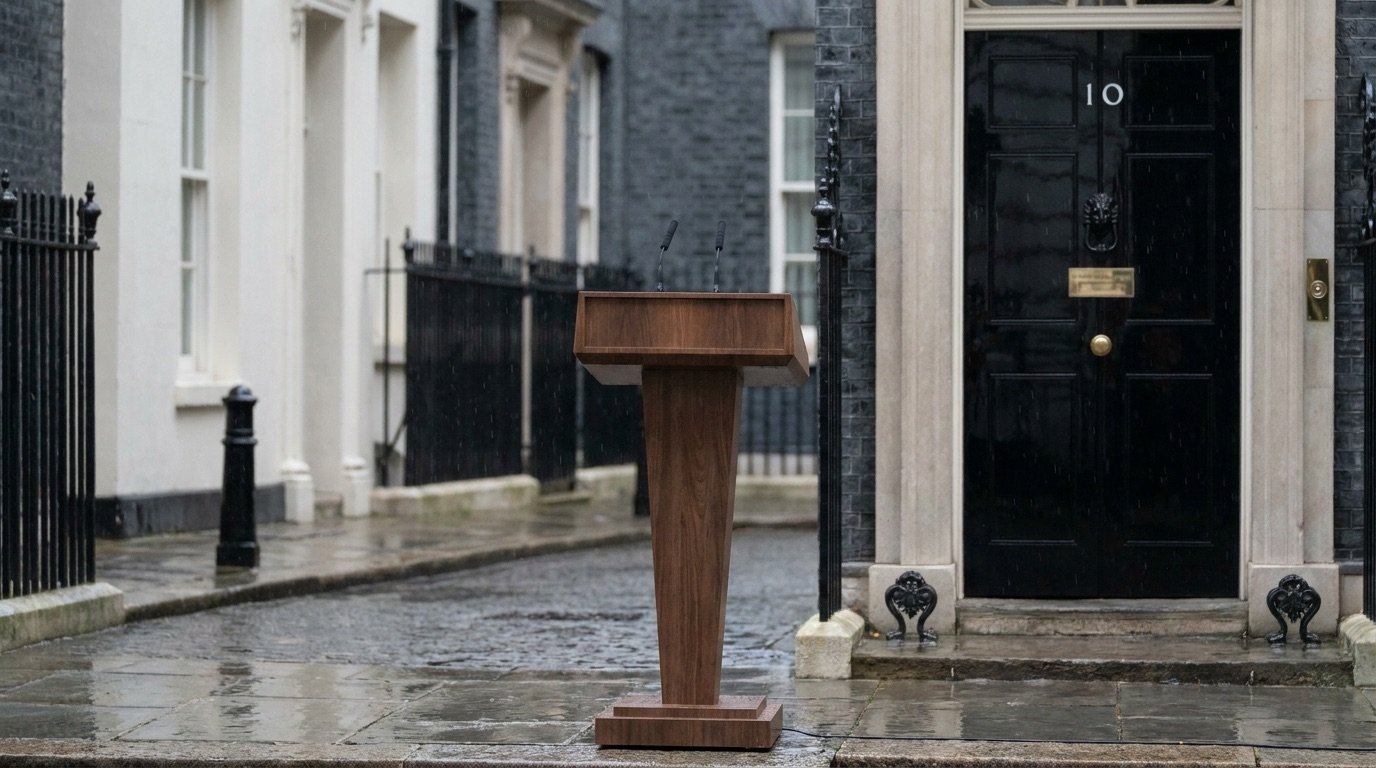
Sir Keir Starmer resigns as Prime Minister, triggering Labour leadership contest
The Prime Minister announced his departure outside Downing Street on Monday morning, ending a turbulent premiership and setting Britain on course for its seventh leader in a decade.

'With good grace': Starmer's resignation statement in full context
The outgoing Prime Minister's short address outside No 10 was reflective and unrepentant by turns, defending his record while accepting his party's verdict.
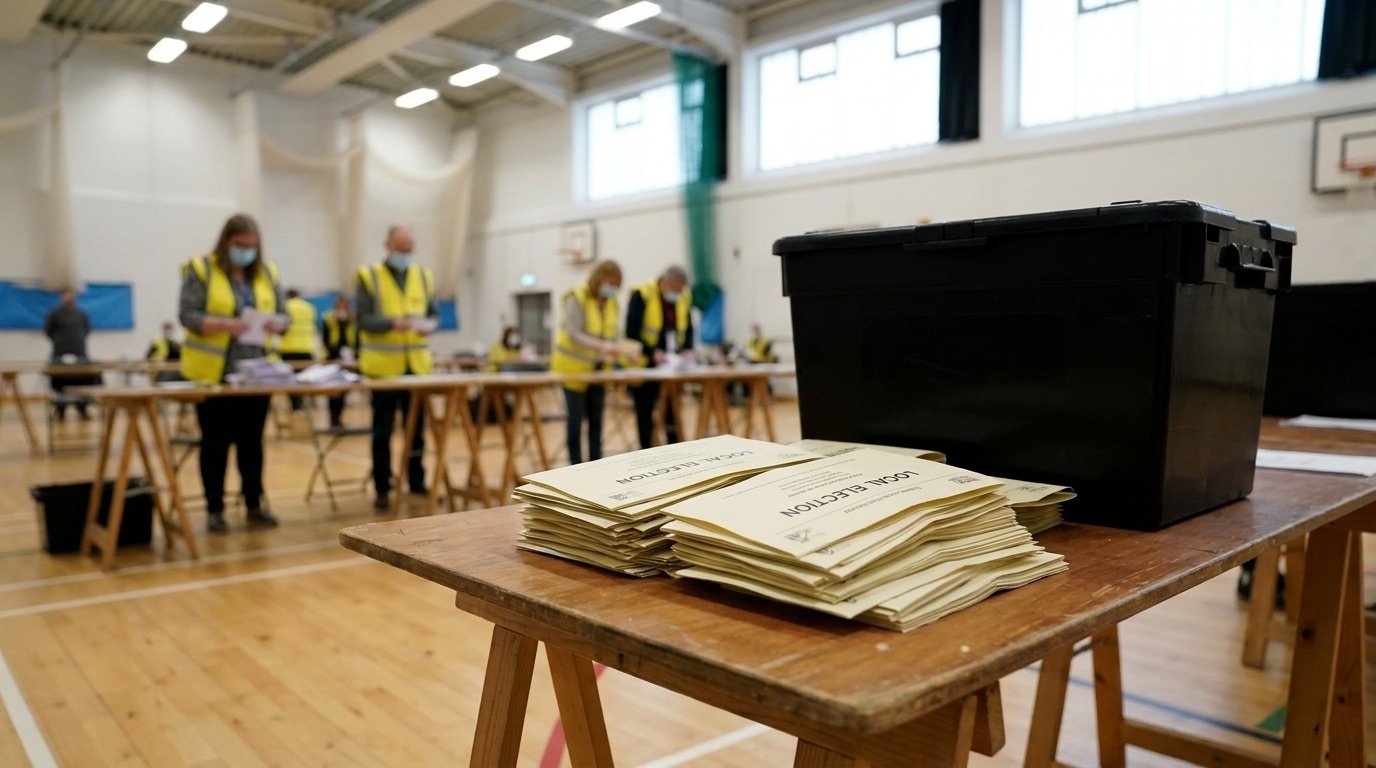
From landslide to lectern: what finally forced Starmer out
A historic election win curdled into open revolt as the local election rout, the rise of Reform UK and slumping approval ratings combined to end the Prime Minister's tenure.

Makerfield goes to the polls in a by-election that could decide Starmer's future
Andy Burnham is seeking a return to the Commons on 18 June, and victory would clear his path to challenge the Prime Minister for the Labour leadership.